
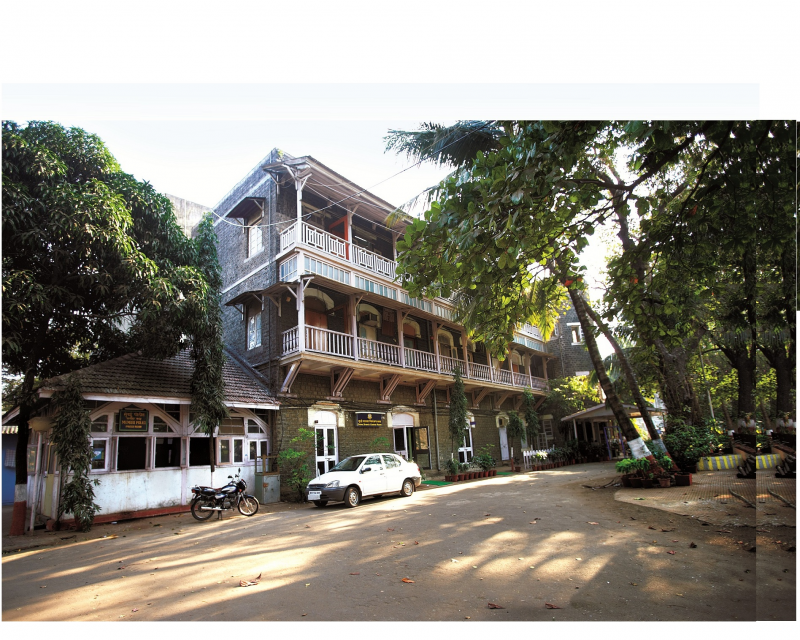
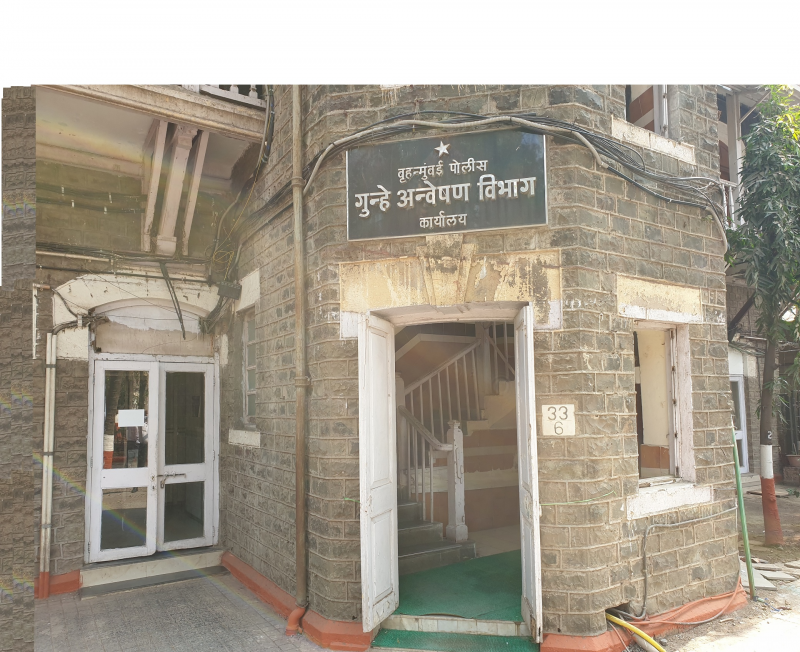
गुन्हे शाखा
About Us
मुंबई पोलीस गुन्हे शाखा – निष्ठा, दक्षता आणि न्यायाची अखंड वाटचाल
नेतृत्व व कार्यव्याप्ती
मुंबई पोलीसांची गुन्हे शाखा ही शहराची प्रमुख तपास यंत्रणा असून तिचे नेतृत्व पोलीस सह आयुक्त (गुन्हे) करतात. या नेतृत्वाला सहाय्य करताना अपर पोलीस आयुक्त (गुन्हे) प्रशासन, तांत्रिक विभाग आणि महत्त्वाच्या समन्वय कामकाजावर देखरेख ठेवतात, ज्यामुळे संपूर्ण शाखेचे कार्य सुरळीत आणि प्रभावीपणे चालते. गुन्हे प्रतिबंध, गुन्ह्यांची उकल आणि तपास ही या शाखेची मुख्य जबाबदारी असून ती विविध विशेष पथकांमार्फत, उप पोलीस आयुक्तांच्या नेतृत्वाखाली पार पाडली जाते. ही सुसूत्र रचना अचूकता, जबाबदारी आणि गुंतागुंतीच्या गुन्ह्यांवर त्वरित कारवाई सुनिश्चित करते.
गुन्हे तपासाची पायाभरणी
मुंबईतील गुन्हे तपास यंत्रणेची पायाभरणी १९व्या शतकाच्या उत्तरार्धात झाली, जेव्हा कोणतीही स्वतंत्र तपास यंत्रणा अस्तित्वात नव्हती. वाढत्या गुन्हेगारीच्या पार्श्वभूमीवर, प्रशासकीय अडचणी असूनही, नियमित पोलीस दलामध्ये डिटेक्टिव्ह शाखेची स्थापना करण्यात आली. यामुळे शहरात शिस्तबद्ध आणि माहिती-आधारित तपास प्रक्रियेची सुरुवात झाली.
गुन्हे अन्वेषण विभाग (C.I.D.) ची स्थापना
१८९० साली डिटेक्टिव्ह शाखेला अधिकृतपणे गुन्हे अन्वेषण विभाग (C.I.D.) असे नाव देण्यात आले. १९०८ मधील टिळक दंगलीनंतर गुप्त माहिती संकलनातील त्रुटी स्पष्ट झाल्याने १९०९ मध्ये या विभागाची पुनर्रचना करण्यात आली आणि तो एक उच्चस्तरीय तपास यंत्रणा म्हणून विकसित झाला. उप पोलीस आयुक्तांच्या नेतृत्वाखाली हा विभाग राजकीय, परदेशी, गुन्हे आणि इतर संवेदनशील प्रकरणे हाताळत होता, ज्यामुळे भविष्यातील विशेषीकरणाचा मजबूत पाया रचला गेला.
गुन्हे शाखेची स्थापना
१९२० साली गुन्ह्यांशी संबंधित कामकाज वेगळे करून स्वतंत्र गुन्हे शाखेची स्थापना करण्यात आली. या बदलामुळे गुन्हे तपासावर अधिक लक्ष केंद्रित करता आले आणि गंभीर तसेच संघटित गुन्ह्यांचे अधिक प्रभावीपणे निराकरण होऊ लागले.
विस्तार व विशेषीकरण
कालांतराने गुन्हे शाखा एक बहुआयामी आणि अत्यंत विशेषीकृत यंत्रणा म्हणून विकसित झाली आहे. संघटित गुन्हे, गुप्त माहिती, आर्थिक गुन्हे, सतर्कता, सामाजिक सुरक्षा आणि बेपत्ता व्यक्ती यांसारख्या विविध क्षेत्रांसाठी स्वतंत्र पथके स्थापन करण्यात आली आहेत. प्रत्येक विभाग आधुनिक गुन्हेगारीच्या बदलत्या स्वरूपाशी जुळवून घेत उत्कृष्ट कार्य करत आहे.
तपासातील प्राविण्य
गुन्हे शाखा तिच्या अचूक, माहिती-आधारित तपासासाठी ओळखली जाते. गुन्हे नोंद प्रणाली, मोडस ऑपरेंडी विश्लेषण आणि समन्वित माहिती देवाणघेवाण यांसारख्या प्रगत पद्धतींमुळे तपासाची कार्यक्षमता मोठ्या प्रमाणात वाढली आहे.
जनसुरक्षा व विश्वास
गुन्हे शाखा नागरिकांच्या सुरक्षेसाठी आणि जनविश्वास टिकवण्यासाठी कटिबद्ध आहे. जनतेसोबत आणि प्रसारमाध्यमांसोबत प्रभावी समन्वय साधून जागरूकता, पारदर्शकता आणि सहकार्य वाढवले जाते. अधिकारी अत्यंत समर्पण आणि शिस्तीने कार्य करून शहरात कायदा व सुव्यवस्था राखतात.
परंपरा, विश्वास आणि सामर्थ्य
समृद्ध परंपरा आणि आधुनिक दृष्टिकोन यांचा संगम असलेली मुंबई पोलीस गुन्हे शाखा प्रामाणिकता, संकल्प आणि न्यायासाठीची अखंड धडपड यांचे प्रतीक आहे. ती केवळ एक तपास यंत्रणा नसून, तर शहराच्या सुरक्षेचा भक्कम आधारस्तंभ आहे.