
गुन्हे शाखा
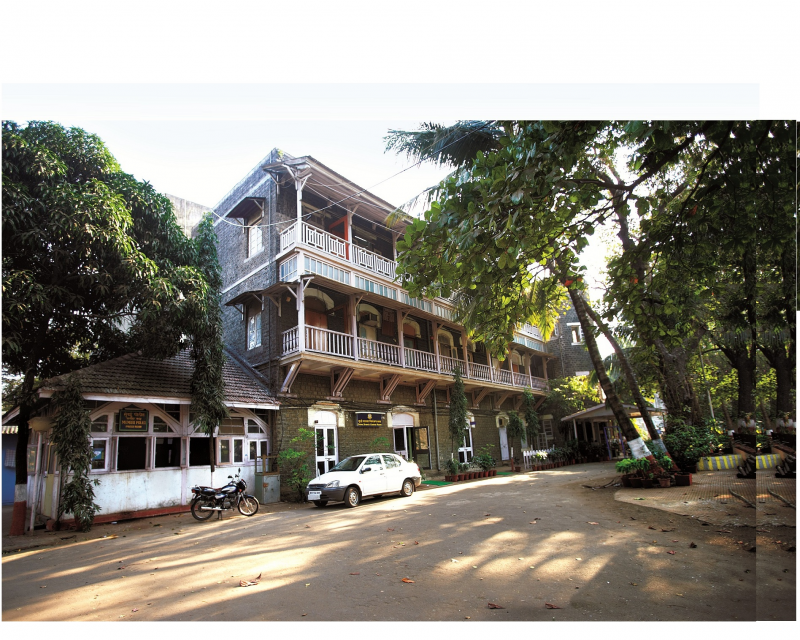
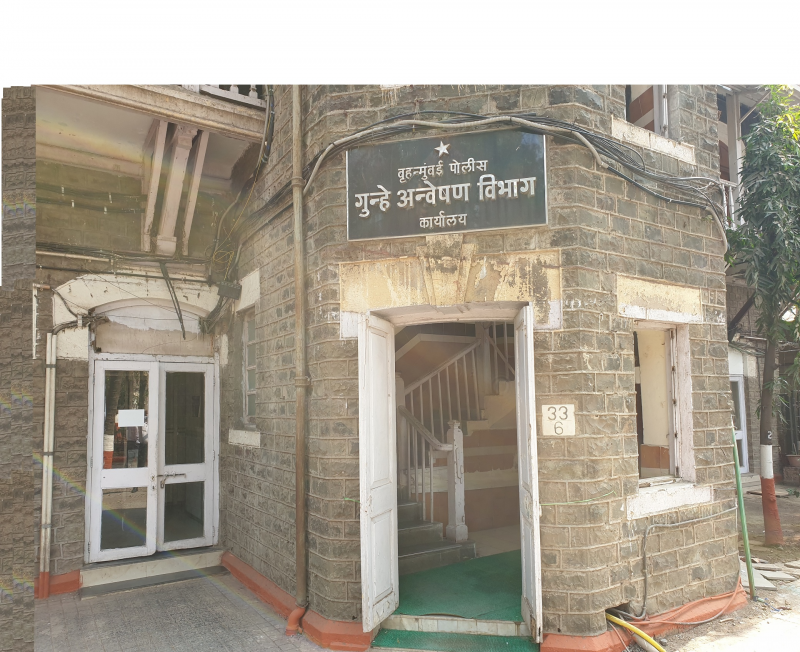
गुन्हे शाखा, गुन्हे अन्वेषण विभागाची इमारत १९०८ मध्ये बांधण्यात आली, गुन्हे अन्वेषण विभाग १९०९ मध्ये कार्यरत झाले. पोलीस-प्रेस कक्ष त्याच्या डाव्या बाजूस कार्यरत करण्यात आले.
About Us
सह पोलीस आयुक्त ( गुन्हे ) हे मुंबई शहरातील गुन्हे अन्वेषण, शोध आणि तपासणीचे प्रभारी आहेत. त्यांच्या देखरेखीखाली गुन्हे शाखेत विविध शाखा कार्यरत आहेत. पोलीस उप आयुक्त त्या शाखांचे प्रमुख आहेत.
गुन्हे शाखेचा (सीआयडी) इतिहास : गुन्हे अन्वेषण विभाग
मुंबई पोलिसांनी ' स्कॉटलंड यार्ड नंतर द्वितीय ' असे नाव कमावले आहे, हे गुन्हे अन्वेषण विभागाच्या उत्कृष्ट तपासामुळे आहे.
१८८४ च्या आधी योग्यरित्या व्यवस्थापित केलेला गुन्हे अन्वेषण विभाग नव्हता. त्या काळी सरकार गुन्हे अन्वेषणाकरिता स्वतंत्र कर्मचाऱ्यांची नेमणूक करण्याच्या बाजूने नव्हते, कारण त्यांना असे वाटत होते की यामुळे आंतर-विभागीय हेवेदावे आणि बेबनाव निर्माण होईल.
मात्र, पोलिसांनी या अडथळ्यावर मात करत, नियमित श्रेणीचा भाग असलेली एक गुन्हे शोध शाखा सुरू केली.
१८९० साली, या गुन्हे शोध शाखेचे नाव बदलून गुन्हे अन्वेषण विभाग असे ठेवण्यास परवानगी देण्यात आली, तरीसुद्धा ती पोलीस दलाचाच एक भाग राहिली.
१९०८ मधील टिळक दंगलीत, पोलिसांच्या गुप्त माहिती संकलनातील त्रुटी स्पष्टपणे दिसून आल्या आणि त्यामुळे सरकारचा दृष्टिकोन बदलला.
यानंतर एस. एम. एडवर्डस यांनी ८ जून १९०९ रोजी गुन्हे अन्वेषण विभाग स्थापन केला. या विभागाने जुन्या डिटेक्टीव्ह शाखेची जागा घेतली आणि इंपीरियल पोलिसांच्या एका अधिकार्याच्या नियंत्रणाखाली एक अभिजात संस्था म्हणून कार्य सुरू केले.
या अधिकार्यास पोलीस उप आयुक्त हा दर्जा देण्यात आला — पहिले पोलीस उप आयुक्त एफ. ए. एम. एच. विन्सेंट हे होते, तर विद्यमान पोलीस उप आयुक्तांना विभागीय पोलिसांचे कामकाज पाहण्याची जबाबदारी देण्यात आली.
गुन्हे अन्वेषण विभागाने चार प्रमुख क्षेत्रांवर काम केले — राजकीय, विदेशी, गुन्हेगारी आणि संकीर्ण. प्रत्येक क्षेत्राचे प्रमुख एक पोलीस निरीक्षक होते.
संवेदनशील, राजकीय किंवा धार्मिक स्वरूपाच्या प्रकरणांमध्ये लक्ष देणे हे या विभागाचे मुख्य कार्य होते — आणि हे कार्य आजही सातत्याने सुरू आहे.
सायबर गुन्हे
About Us
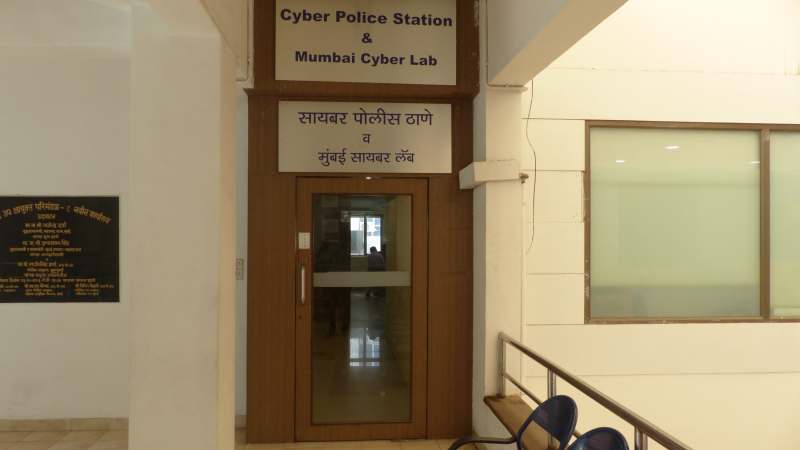
पोउआ (सायबर गुन्हे) हे सायबर गुन्हे शाखेचे प्रभारी आहेत. सायबर पोलीस ठाणे हे त्यांचे देखरेखीखाली काम करते. ०९ एप्रिल, २००९ रोजी सायबर पोलीस ठाणे कार्यरत झाले. ही शाखा वेबसाइट हॅकिंग, सायबर स्कॉकिंग, सायबर पोर्नोग्राफी ( बीभत्स साहित्य ), ई-मेल, क्रेडिट कार्ड गुन्हा, सॉफ्टवेअर चोरी, ऑनलाइन फसवणूक आणि इंटरनेट गुन्हा तपासणीशी संबंधित असून भा.द.वि. आणि इतर कायद्यांसह, विशेषत: माहिती तंत्रज्ञान कायदा (दुरुस्ती) २००८ अंतर्गत नोंदणीकृत असलेल्या प्रकरणांशी तपास करतात.
सायबर पोलीस ठाणेची भूमिका / जबाबदारी :
१. सायबर गुन्हे अन्वेषण यंत्रणेतील मुंबई पोलीस कर्मचार्यांना नियमित प्रशिक्षण देणे.
२. शाळा, महाविद्यालये आणि संस्था / संघटनांमध्ये सायबर गुन्हे प्रतिबंध / जागरुकता कार्यक्रमांचे आयोजन / व्यवस्था करणे.
३. सायबर पोलीस ठाणे, मुंबई हे पोलिसांचे स्थानिक पोलीस ठाणे, गुन्हे शाखाचे कक्ष आणि इतर शाखांचे अधिकारी यांना तपासणीसाठी तांत्रिक सहाय्य देखील प्रदान करते.
४. राज्य विरुद्ध प्रतिकूल टिप्पणी किंवा दुर्भावनायुक्त टिप्पणी आढळल्यास ज्यामुळे कायदा व सुव्यवस्था समस्या उद्भवू शकतील, तेव्हा सायबर पोलीस ठाणे, मुंबई, हे संगणक आणीबाणी प्रतिसाद पथक, भारत (सीईआरटी-इन) यांना नोडल ऑफिसर हा द्वारे ( सह पोलीस आयुक्त, गुन्हे, मुंबई ) (कलम ६९ आयटी कायदा अंतर्गत ) किंवा संबंधित माननीय न्यायालयाचे आदेश प्राप्त करुन विनंती पाठवणे. न्यायालय अशा प्रकारच्या सामग्रीचे इलेक्ट्रॉनिक प्रसारण रोखेल जेव्हा वेबसाइट रजिस्ट्रार / सेवा प्रदाता हा ईमेलद्वारे केलेली विनंती स्वीकारणार नाही.
५. बाल अश्लीलता ( पोर्नोग्राफी ) आणि बलात्कार, सामूहिक बलात्कार प्रकरणे यात सायबर पोलीस ठाणे, मुंबई ही मुंबई पोलिसांना नोडल म्हणून काम करते.

अंमली पदार्थ विरोधी कक्ष
About Us
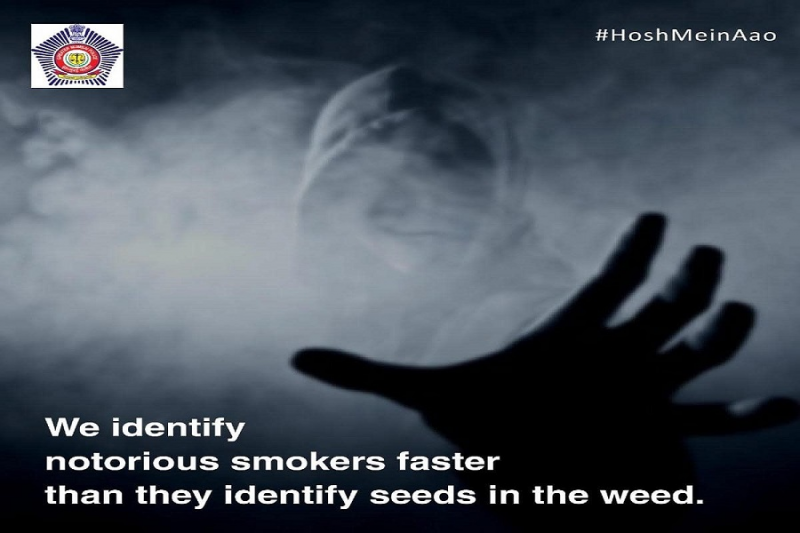
या शाखाद्वारे केंद्र शासनाने गुंगीकारक औषधी द्रव्ये आणि मनोव्यापारांवर परिणाम करणारे पदार्थ अधिनियम, १९८५ (NDPS Act १९८५) पारित केल्यानंतर, महाराष्ट्र शासनाने शासन निर्णय क्रमांक एमआयएस-०६८८/१४८९/सीआर-३१६/पोल-३, मंत्रालय, मुंबई, दिनांक १० जुलै १९८९ अन्वये अंमली पदार्थ विरोधी कक्षाची स्थापना करण्यात आली. बृहन्मुंबई मध्ये अंमली पदार्थांचा चोरटा व्यापार करणाऱ्या व्यापार्यांच्या या अवैध कृत्यांवर नियंत्रण ठेवण्याचे कार्य पोलीस आयुक्त, बृहन्मुंबई यांच्या अधिपत्याखालील गुन्हा अन्वेषण विभागाच्य ागुन्हे शाखेतील अंमली पदार्थ नियंत्रण पथकाकडून केले जाते.
या शाखाद्वारे अंमली पदार्थ विरोधी कक्षाची रचना –
या शाखाद्वारे पोलीस उप आयुक्त > सहाय्यक पोलीस आयुक्त > पोलीस निरीक्षक प्रशासन (कफ पारडे पोलीस ठाणे, पहिला माळा, साधु वासवानी मार्ग, कफ परेड मुंबई
या शाखाद्वारे आझाद मैदान युनिट - महापालिका मार्ग, आझाद मैदान पोलीस ठाणे कम्पाऊंड, फोर्ट, मुंबई-४००००१ - दक्षिण प्रादेशिक विभाग
या शाखाद्वारे वरळी युनिट - रूम नं. ०१, बी.बी.डी.चाळ नं. ६६, भागोजी वाघमारे मार्ग, वरळी - मध्य प्रादेशिक विभाग
या शाखाद्वारे बांद्रा युनिट - ए.के.मार्ग पोलीस चैकी, दुसरा मजला, ए.के.मार्ग बांद्रा (पूर्व) - पश्चिम प्रादेशिक विभाग
या शाखाद्वारे घाटकोपर युनिट - जवाहर रोड पोलीस काॅलनी, बिल्डींग नं. ०३, रूम नं.०१, जवाहर रोड, घाटकोपर (पु) - पुर्व प्रादेशिक विभाग
या शाखाद्वारे कांदीवली युनिट - कंदीवली पोलीस ठाणे बिल्डींग, रूम नं.२४, एस.व्ही.रोड, कांदीवली (प) - उत्तर प्रादेशिक विभाग
या शाखाद्वारे अंमली पदार्थ विरोधी कक्षाची कर्तव्ये-
या शाखाद्वारे १. अमली पदार्थांच्या व्यापारात सहभागी व्यावसायिकांच्या विघातक कृत्यांवर प्रभावी प्रतिबंध घालणे.
या शाखाद्वारे २. ड्रग पेडलर्स व तस्करांविरुद्ध कायदेशीर कारवाई करून अंमली पदार्थाचा अवैध व्यापार व तस्करी नष्ट करणे.
या शाखाद्वारे ३. शहरातील अंमली पदार्थांचा स्रोत शोधून काढुन कारवाई करणे.
या शाखाद्वारे ४. जनजागृती कार्यक्रमांद्वारे समाजातील अंमली पदार्थाची मागणी कमी करणे.
या शाखाद्वारे जनजागृती:-
या शाखाद्वारे जगतिक अंमली पदार्थविरोधी दिनानिमित्त दरवर्षी 26 जून पासून पंधरवडा म्हणून अंमली पदार्थ विरोधी अभियान राबविले जाते. या कालावधीत प्रत्येक अंमली पदार्थ विरोधी घटकातर्फे त्यांच्या कार्यक्षेत्रातील शाळा, महाविद्यालये, रेल्वे स्थानके आणि महत्वाच्या चैकांमध्ये अंमली पदार्थविरोधी पोस्टर्स व बॅनर्स लावले जातात, पत्रके वाटली जातात, तसेच पथनाट्या द्वारे जनजागृती करण्यात येते.


महिला अत्याचार विरोधी कक्ष
About Us
पोलीस उप आयुक्त - (महिला अत्याचार प्रतिबंधक) कार्यालय व कार्यालयाच्या अधिपत्याखालील शाखांच्या कामाचे स्वरुप
पोलीस उप आयुक्त (महिला अत्याचार प्रतिबंधक), कार्यालयाच्या अधिपत्याखालील अनैतिक मानवी वाहतूक प्रतिबंध कक्ष (AHTU), विशेष बाल पोलीस पथक (SJPU), विशेष बाल पोलीस पथक (संरक्षण), (SJPU - Protection), व महिला अत्याचार प्रतिबंधक शाखा (CAW) यांच्या कामावर देखरेख ठेवणे व त्यांना मार्गदर्शन करणे.
अनैतिक मानवी वाहतूक प्रतिबंध कक्ष (AHTU) - अनैतिक मानवी वाहतूक प्रतिबंध कक्षा अंतर्गत वैश्याव्यवसायासाठी होणारी मानवी तस्करी रोखणे, कुंटणखाने, ब्युटी पार्लर, मसाज पार्लर, एस्कॉर्ट पद्धती याद्वारे वैश्याव्यवसाय होत असल्यास अनैतिक व्यापार प्रतिबंध कायदा १९५६ अन्वये कारवाई केली जाते.
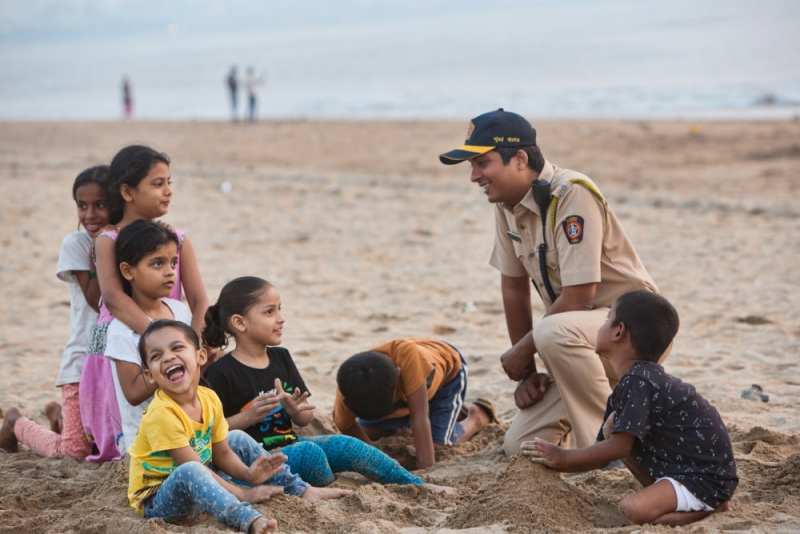
विशेष बाल पोलीस पथक (SJPU) - विशेष बाल पोलीस पथक कक्षांतर्गत बाल कामगार अधिनियम व बाल न्याय अधिनियम अंतर्गत बालकांची बालकामगारीतून मुक्तता करणे तसेच बाल भिक्षेकरी मुलांचा शोध घेवून त्यांना बाल भिक्षेकरी मधून मुक्त करणे.
विशेष बाल पोलीस पथक (संरक्षण) - विशेष बाल पोलीस पथक (संरक्षण) अंतर्गत बाळ कल्याण समिती व बाळ न्याय मंडळ यांच्या आदेशान्वये बृहन्मुंबई शहरात निरनिराळ्या ठिकाणी सापडलेल्या/भटकणाऱ्या विनापालक विनासंरक्षण मुलांच्या / स्त्रियांच्या निगराणीसाठी त्या मुलांना / स्त्रिया त्यांच्या स्वग्रामी पोहचविणे.
महिला अत्याचार प्रतिबंधक शाखा (CAW) -
युनिट - १ -
अ) महिलांवरील बलात्कार, अपहरण, विनयभंग व महिलांवरील अत्याचारसंदर्भात गंभीर गुन्ह्याचा तपास करणे. अत्याचाराबाबत दाखल होणाऱ्या गंभीर गुन्ह्याचा तपास करणे. खटले त्वरित निकाली काढण्यासाठी आवश्यक ती कार्यवाही करणे.
ब) हुंडाबळी, हुंड्याशी संबंधित आत्महत्या आणि हुंडा प्रतिबंधक कायद्यांतर्गत उधभोवणारे इतर गुन्हे, भारतीय न्याय संहिता ८५ {पूर्वी भा.दं.सं - ४९८(अ )} अंतर्गतचे गुन्हे तसेच कौटुंबिक हिंसाचार व हुंड्याशी निगडित इतर गुन्हे.
युनिट - २ -
महिलांच्या तसेच बालकांच्या संरक्षण संदर्भात नवनवीन प्रतिबंधात्मक उपाययोजना सुचविणे, स्वयंसेवी संस्थांच्या सहकार्याने महिला सुरक्षा या विषयावर कार्यशाळा, चर्चासत्रे, जनजागृती कार्यक्रमांचे आयोजन करणे.
समुपदेशन कक्ष -
समुपदेशन कक्ष अंतर्गत कौटुंबिक हिंसाचार, शाररिक व मानसिक छळ याबाबत पीडित महिलांकडून प्राप्त झालेल्या तक्रारीवर पीडित महिला व तिचे पती व त्याचे नातेवाईक यांचे समुपदेशन करणे व पीडित महिलेला कौटुंबिक हिंसाचार कायद्यातील तरतुदींबाबत मार्गदर्शन करणे.
बाल सहाय्य संरक्षण केंद्र (जापू)
About Us
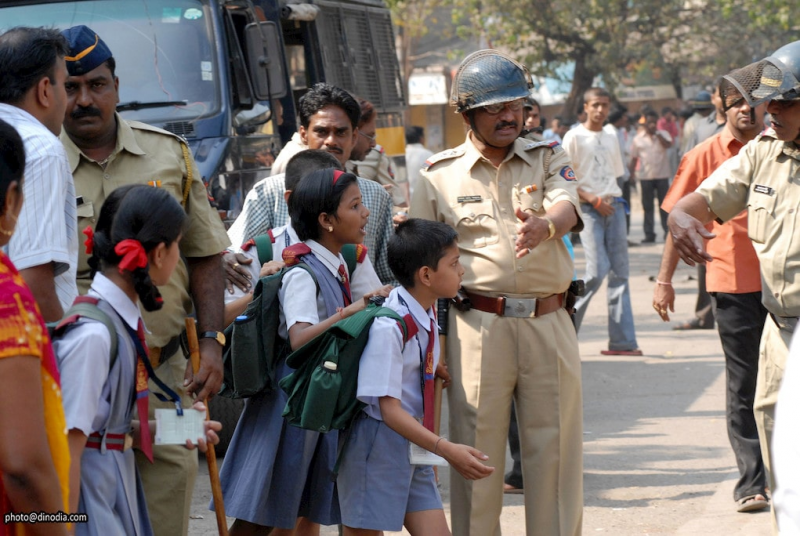
कलम ३१ बाल न्याय काळजी व संरक्षण अधिनियम २०१५ प्रमाणे निराधार / विनापालक आढळणाऱ्या मुले व मुलींना संरक्षणात घेऊन त्यांना बालगृह डोंगरी किंवा मानखुर्द, मुंबई येथे पोहोचते करण्यात येते. निराधार/विनापालक बालकांना बाल कल्याण समिती, डोंगरी व मानखुर्द, मुंबई यांचे आदेशान्वये त्यांचे राहते गावी / नजीकचे बालगृह येथे परत पाठवून त्यांचे पुनर्वसन करण्यात येते
हि शाखा बाल कामगार ( प्रतिबंध आणि विनियमन ) अधिनियम १९८६, कलम ३, १४ आणि बाल न्याय (मुलांची काळजी आणि संरक्षण) अधिनियम २०१५, कलम ७५, ७९ अंतर्गत बाल कामगाराची सुटका करणे. याशिवाय, मुंबई भिक्षेकरी प्रतिबंधक अधिनियम १९५९, कलम ५, ९, ११ आणि बाल न्याय (मुलांची काळजी आणि संरक्षण) अधिनियम २०१५, कलम ७, ६ अंतर्गत बाळ भिकाऱ्यांची सुटका करते.
बाल कल्याण समिती, मुंबई शहर व उपनगरे यांच्या आदेशाने कलम ९५ बाल न्याय काळजी व संरक्षण अधिनियम २०१५ प्रमाणे अल्पवयीन मुले व मुलींना महाराष्ट्रातील त्यांचे जिल्ह्यात किंवा भारतातील त्यांचे राज्यातील बाल कल्याण तसेच बालगृह यांचे संरक्षणात देण्याचे कामकाज जापू (संरक्षण) शाखेद्वारे करण्यात येते.
| मुंबई पोलीस आयुक्तालयातील विशेष बाल पोलीस अधिकारी (SJPU) व पोलीस ठाणेतील नेमणूकीस असलेले बाल कल्याण पोलीस अधिकारी (C.W.P.O.) यांची यादी - |

|


मानवी तस्करी विरोधी कक्ष
About Us
अनैतिक मानवी वाहतूक प्रतिबंध कक्ष (AHTU) - अनैतिक मानवी वाहतूक प्रतिबंध कक्षा अंतर्गत वैश्याव्यवसायासाठी होणारी मानवी तस्करी रोखणे, कुंटणखाने, ब्युटी पार्लर, मसाज पार्लर, एस्कॉर्ट पद्धती याद्वारे वैश्याव्यवसाय होत असल्यास अनैतिक व्यापार प्रतिबंध कायदा १९५६ अन्वये कारवाई केली जाते.
गुन्हे प्रकटीकरण कक्ष
About Us
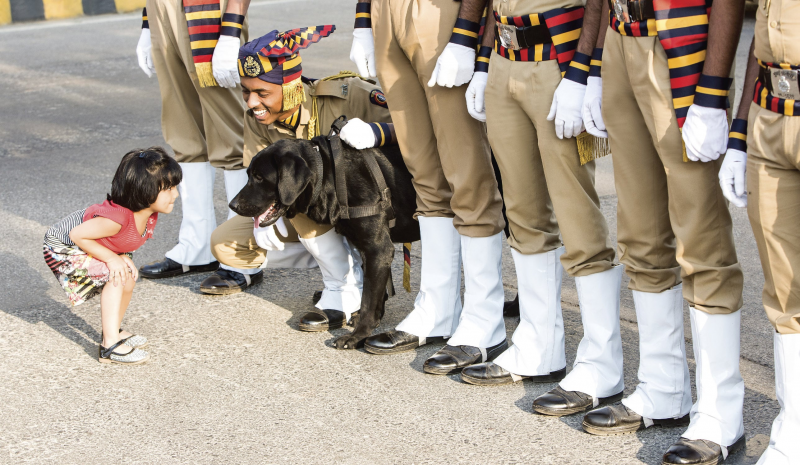
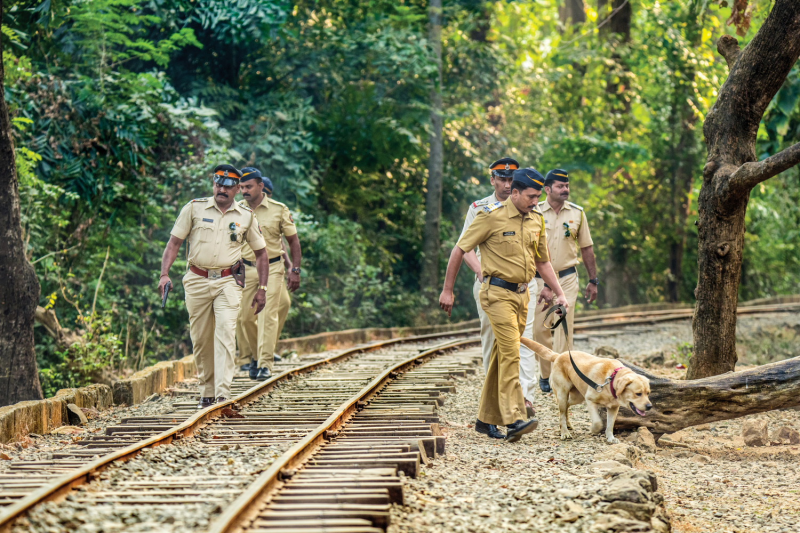
पो.उ.आ. (प्रकटीकरण) हे संपुर्ण गुन्हे शाखाचे प्रभारी आहेत. गंभीर गुन्हयांचे तपासावर देखरेख ठेवणे आणि संघटित गुन्हेगारीला तोंड देण्यासाठी नवीन धोरणे तयार करणे.
या शाखेमार्फत खून, खूनाचा प्रयत्न, शीब आणि खंडणी, अंमली पदार्थ संबंधित गुन्हे, अंडरवर्ल्ड टोळी आणि संगठित गुन्हेगारी, जबरी चोरी, दरोडा इत्यादी गंभीर गुन्ह्याबाबत चौकशी आणि तपासणी केली जाते. याचे कारणास्तव, उपरोक्त नमूद गुन्ह्याचे तपासकामी, तपास कामात प्राविण्य असलेल्या, समर्पित पोलिसांची टीम आवश्यक आहे.
मुंबई पोलीस गुन्हे शाखेचे प्रमुख उद्दिष्ट म्हणजे शहरात कायदा व सुव्यवस्था राखत, संघटित गुन्हेगारीवर नियंत्रण मिळवणे, नागरिकांचा विश्वास जपणे आणि पारदर्शक तपासाद्वारे न्याय मिळवून देणे.
जलद प्रतिसाद पथक
About Us
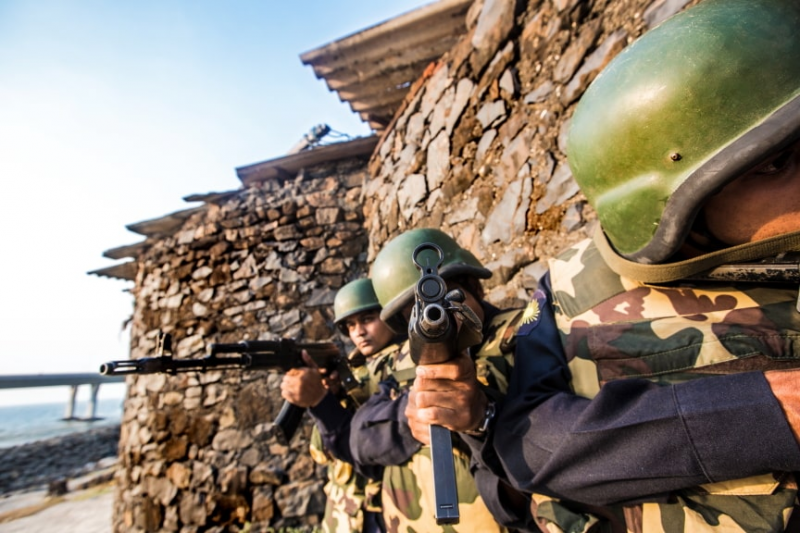
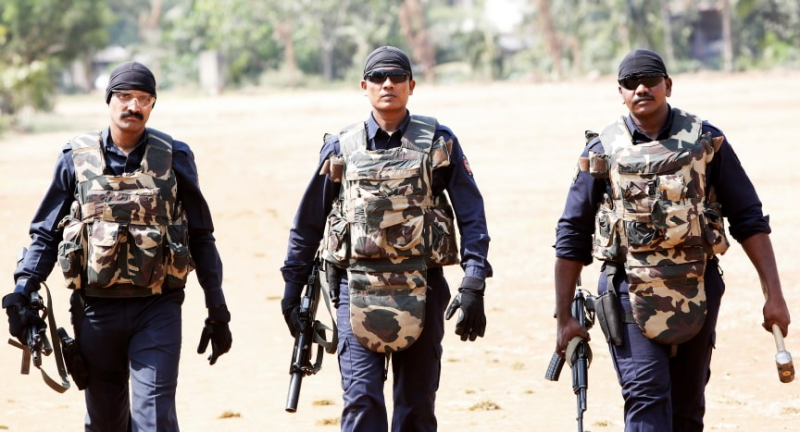
मुंबई शहर दहशतवादी हल्ल्याच्या दृष्टिकोनातून संवेदनशील शहर आहे. दहशतवाद हल्ल्यांना त्वरीत प्रत्युत्तर देण्यासाठी आणि परिस्थिती नियंत्रणात आणण्यासाठी प्रशिक्षित, तंदुरुस्त, कौशल्यनिपुण अशा ध्येयनिश्ठ अधिकारी व अंमलदार यांचा समावेश असलेल्या सुसज्ज पथकाची आवश्यकता होती.
दिनांक २६/११/२००८ रोजी मुंबई शहरावर झालेल्या दहशतवादी हल्ल्यानंतर, दहशतवादी हल्ले आणि इतर प्रमुख सुरक्षा धोक्यांना प्रथम प्रतिसाद देणारे पथक म्हणून दिनांक ३१ ऑगस्ट २००९ रोजीच्या शासन निर्णयान्वयेे एनएसजी आणि फोर्स वन दलांच्या धर्तीवर ‘जलद प्रतिसाद पथकाची’ स्थापना करण्यात आली.
जलद प्रतिसाद पथक हे दहशतवादी हल्ल्याच्या अनुशंगाने अत्यंत कमी वेळेत जलद हालचाली करते. तसेच घटनस्थळावरील सामरीक माहिती गोळा करुन संभाव्य दहशतवादी हल्ला निष्प्रभ करते आणि ओलिसांची सुटका करुन परिस्थिती नियंत्रणात आणतेे. तसेच अशा दहशतवादी हल्ल्याच्या परिस्थितीनुसार एनएसजी आणि फोर्स वन दलांना अभियानादरम्यान सहाय्य करते.
जलद प्रतिसाद पथक हे मुंबई मधील या आधी दहशतवादी हल्ला झालेल्या व दहशतवादी हल्ला होण्याची संभावना असलेल्या संवेदनशील आस्थापनांचे वेळोवेळी रेकी, फॅमिलीरायझेशन व माॅकड्रिल करुन भविष्यात होणाऱ्या दहशतवादी हल्ल्याला प्रतिउत्तर देण्यासाठी कार्यसज्ज असते.
जलद प्रतिसाद पथकाची मुख्य जलद प्रतिसाद पथक व पाच प्रादेषिक विभाग अशा प्रकारे विभागणी करण्यात आली आहे. जलद प्रतिसाद पथकाचे मुख्यालय कलिना येथे असून अन्य पाच प्रादेशिक विभागातील पथके ही दक्षिण, मध्य, पश्चिम, पूर्व आणि उत्तर अशा प्रादेशिक विभागाच्या नियंत्रण कक्षात तैनात करण्यात आली आहेत. जलद प्रतिसाद पथकावरील नियंत्रण हे मा. पोलीस सह आयुक्त (गुप्तवार्ता), मुंबई यांच्याकडे असून पर्यवेक्षण हे मा. अपर पोलीस आयुक्त (संरक्षण आणि सुरक्षा) यांच्याकडे आहे. जलद प्रतिसाद पथकात निवडलेले अधिकारी व अंमलदार हे एक संघटीत पथक म्हणून कार्य करतात व त्यांचे कामकाजावर पोलीस उप आयुक्त (जलद प्रतिसाद पथक) यांचेे घटक प्रमुख म्हणून प्रशासकीय नियंत्रण असते.
दंगल नियंत्रण पोलीस
About Us
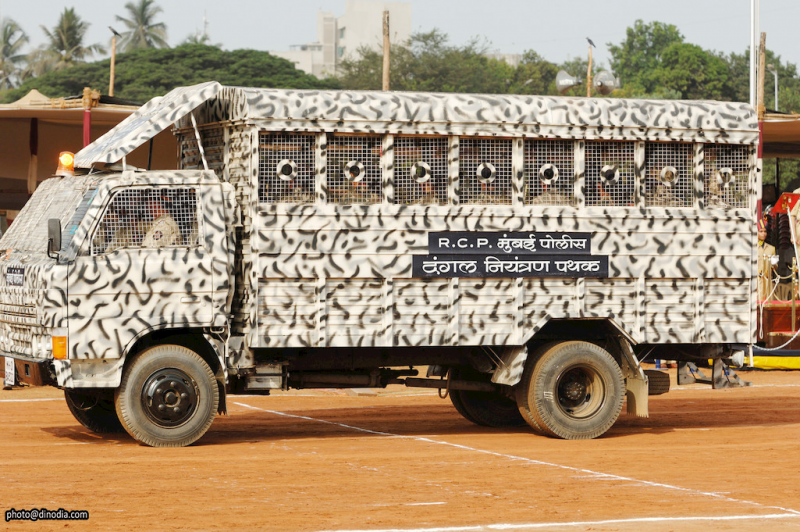
मुंबई पोलीस – दंगल नियंत्रण पथक
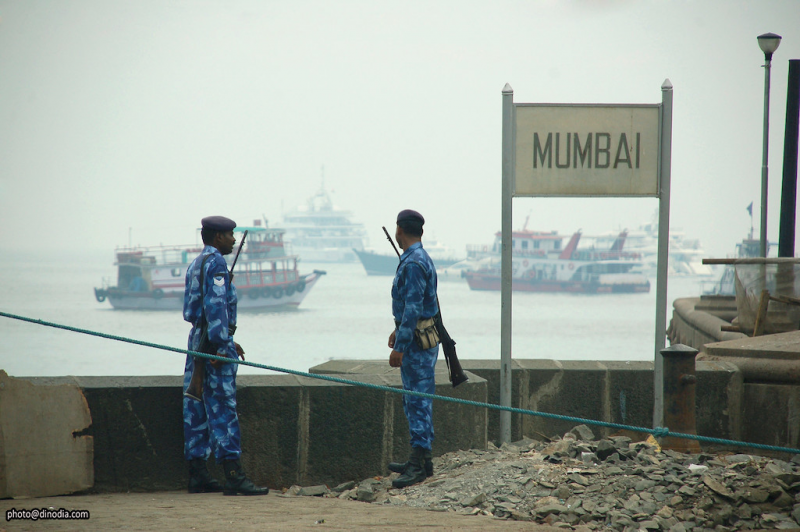
बृहन्मुंबई शहर हे देशाची आर्थिक राजधानी असून, वाढती लोकसंख्या, वाढते नागरीकरण, सामाजिक तणाव, दहशतवाद, जातीय दंगे इत्यादी कारणांमुळे कायदा आणि सुव्यवस्था राखण्याचे आव्हान दिवसेंदिवस अधिक गुंतागुंतीचे बनले आहे. या पार्श्वभूमीवर, शहरात उद्भवणाऱ्या दंगली, आपत्तीजन्य परिस्थिती तसेच अतिमहत्त्वाच्या शासकीय व औद्योगिक आस्थापनांचे संरक्षण करण्यासाठी दंगल नियंत्रण पथक (Riot Control Force) स्थापन करण्यात आले आहे.
या पथकाचे प्रमुख उद्दिष्ट म्हणजे —
दंगल, सामाजिक असंतोष किंवा आपत्कालीन परिस्थितीत तत्काळ प्रतिसाद देणे.
भाभा अणु संशोधन केंद्र, मंत्रालय, विधानभवन, ऑईल अँड नॅचरल गॅस कॉर्पोरेशन लिमिटेड यांसारख्या अत्यंत संवेदनशील ठिकाणांचे सशस्त्र सुरक्षा कवच देणे.
नैसर्गिक आपत्ती (भूकंप, पूर इ.) तसेच मानव निर्मित आपत्ती (वायुगळती, स्फोट, अतिरेकी हल्ले इ.) यामध्ये बचाव आणि नियंत्रण कार्यात सहकार्य करणे.
सध्या या पथकामध्ये पोलीस प्रशिक्षण पूर्ण केलेले, सुदृढ, तरुण (३० वर्षांखालील) पोलीस अधिकारी व कर्मचारी – स्त्री व पुरुष – दोन्हींचा समावेश आहे. हे कर्मचारी प्लाटून पद्धतीने कार्यरत असून, ढाल सेक्शन, लाठी सेक्शन, रायफल सेक्शन, वॉकी-टॉकी व स्ट्रेचर पार्टी, तसेच आर.आय.व्ही. (Rapid Intervention Vehicle) आणि वरुण जलतोफ सारख्या यंत्रणेद्वारे आपत्ती नियंत्रणात योगदान देतात.
मुंबई पोलीस दंगल नियंत्रण पथक – शिस्त, तयारी आणि समर्पणाचे प्रतीक.
| अ.क्र. | विषयाचे नाव |
|---|---|
| ०१ | शारिरीक कवायत |
| ०२ | जमाव नियंत्रणाबाबत माहिती व डेमो |
| ०३ | हत्याराची माहिती (खोलना, जोडना, खाली करना) |
| ०४ | लाठी ड्रील लाठीची माहिती व लाठी कवायत |
| ०५ | गॅस व अश्रुधुराबाबत माहिती |
| ०६ | अनार्म काम्बॅट बाबत माहिती |
| ०७ | प्रथमोचाराबाबत माहिती |
| ०८ | वरुण वाहनाबाबत माहिती |
| ०९ | अग्नीषमन उपकरण/ आग विझविणेबाबत माहिती |
| १० | डिझास्टर मॅनेजमेंट आपतकालीन व्यवस्थापन |
| ११ | इनडोअर लेक्चर |
आर्थिक गुन्हे विभाग
About Us
सह पोलीस आयुक्त, आर्थिक गुन्हे शाखा हे आर्थिक गुन्हे शाखेचे प्रभारी आणि पर्यवेक्षण अधिकारी आहेत. आर्थिक गुन्हे शाखा क्लिष्ट अशा पांढरेपेशी गुन्हाचा तपास करतात उदा. सामान्य फसवणूक, बँकिंग आणि वैद्यकीय क्षेत्रातील फसवणूक, जॉब रॅकेटिंग, शेअर्स आणि बोगस स्टॅम्प केसेस.
पोलीस अधिकारी व कर्मचारी यांची कार्यक्षमता वाढविण्यासाठी नवीन रणनीती आखणे आणि विविध प्रशिक्षण कार्यक्रम आयोजित करणे ही आर्थिक गुन्हे शाखेची प्रमुख जबाबदारी आहे.
आर्थिक गुन्हे शाखेचे कामकाज सुरळीतपणे चालण्यासाठी खालीलप्रमाणे कक्षांची विभागणी करण्यात आलेली आहे.
• बँकिंग युनिट १ - बँकिंग संदर्भातील व्यक्तीद्वारे केलेले गुन्हे
• बँकिंग युनिट २ - बँकिंग संदर्भातील कंपन्यांनी केलेले गुन्हे
• हौसींग युनिट १ - गृहनिर्माण संदर्भातील व्यक्तीद्वारे केलेले गुन्हे
• हौसींग युनिट २ - विकासक / ठेकेदार / सरकारी संस्था यांच्या विरोधातील गृहनिर्माण संदर्भातील गुन्हे
• जनरल चिटिंग युनिट १ - खाजगी / एखाद्या व्यक्तीबाबत फसवणुकीचे गुन्हे
• जनरल चिटिंग युनिट २ - सामुदायीक गुन्हे - सार्वजनिक क्षेत्र / सरकारी संस्था यांचे संदर्भातील गुन्हे
• जनरल चिटिंग युनिट ३ - व्यवसायी व्यवहार संदर्भात घडणारे गुन्हे
• जॉब रॅकेटिंग कक्ष ४ - नोकरी व शिक्षण आणि वैद्यकीय संदर्भातील घडणारे गुन्हे
• शेअर्स युनिट कक्ष ५ - कंपनीचे शेअर्स, सिक्युरिटी मार्केट, वायदे बाजार संदर्भातील गुन्हे
• एफ.आय.सी.एन. कक्ष ६ - बनावट मुद्रांक व बनावट चलनी नोटा संदर्भातील गुन्हे
• एम.पी.आय.डी.कक्ष ७ - गुंतवणूका/ठेव योजनेसंदर्भातील फसवणुकीचे गुन्हे व एमपीआयडी कायद्यांतर्गत घडणारे गुन्हे
• प्रशिक्षण कक्ष ८ - प्रशिक्षण व शोध
• इंटेलिजन्स कक्ष ९ - गोपनीय शाखा
• प्रशासन शाखा कक्ष १० - प्रशासकीय कामकाजाच्या अंतर्भुत मालखाना व न्यायालयीन कामकाज (पैरवी)
• एम.एल.एम. कक्ष ११ - मल्टीलेव्हल मार्केटिंग संदर्भातील गुन्हे
• इंटलेक्चुअल प्रॉपर्टी युनिट कक्ष १२ - बौध्दिक संपदा हक्क संदर्भातील गुन्हे
गुन्हे शाखा नियंत्रण कक्ष
गुन्हे शाखा नियंत्रण कक्ष प्रामुख्याने अत्यावश्यक वस्तू अधिनियम १९५५ अंतर्गत पारित करण्यात आलेले नियंत्रण आदेश, भारतीय प्रताधिकार कायदा १९५७, अन्न सुरक्षा आणि मानके कायदा २००६, ट्रेड मार्क ऍक्ट, औषधे आणि सौंदर्यप्रसाधने कायदा या कायद्यांमधील तरतुदीं अन्वये दाखल करण्यात आलेल्या गुन्ह्याचा तपास करणे.
सध्या मुंबई शहरात होणारी दूध भेसळ, प्रतिबंधित गुटखा विक्री व इतर सुगंधित तंबाखूच्या उत्पादनाची विक्री आणि तेल भेसळ, तेल चोरी ( पेट्रोलियम उत्पादने) याविरुद्ध या कक्षातर्फे प्राधान्याने कारवाई करण्यात येत आहे.
विक्रीकर कोष
मुंबई शहरात विक्रीकर कायद्यातील तरतूदीबाबत घडणाऱ्या दखलपात्र गुन्ह्यांचा तपास करण्याकरिता शासन निर्णय क्रमांक FD/STD/1277/63/77/ADM-8 दिनांक २१/०४/१९७७ अन्वये विक्रीकर कोष या शाखेची निर्मिती करण्यात आली. सध्या या शाखेकडे तपासाधीन गुन्ह्यांमध्ये व्हॅट भरण्यास टाळाटाळ करणाऱ्या व्यापा-यांराविरुद्धच्या गुन्ह्यांचा प्रामुख्याने समावेश आहे.
वर नमूद गुन्हे शाखा नियंत्रण कक्ष तसेच विक्रीकर कोष पोलीस उप आयुक्त, विशेष कृती दल, यांचे अधिपत्याखाली कार्यरत आहे.

वाहतूक शाखा
About Us
मुंबई वाहतूकः जुन्या आठवणी
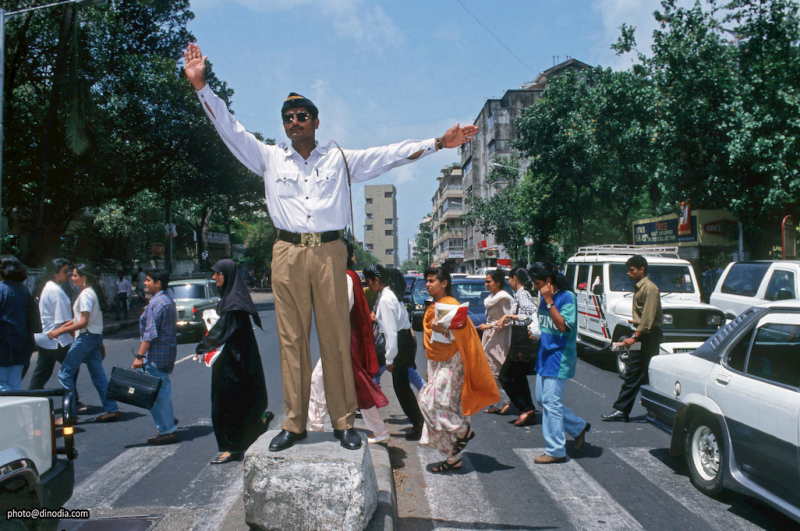
सन १८७३ साली बॉम्बे ट्रामवे कंपनीने मुंबई शहरात घोड्यांच्या सहायाने ओढली जाणारी ट्राम सेवा प्रथमतः सुरू केली, तेव्हापासून मुंबईमध्ये वाहतुक नियंत्रणाची सुरुवात झाली होती. सन १९०७ मध्ये घोड्यांच्या सहायाने ओढल्या जाणार्या ट्रामची जागा ऑटोमोबाईल ट्रामने घेतली. जमशेदजी टाटा यांनी सन १९०१ मध्ये प्रथम मोटर कार विकत घेतली तर सन १९०४ मध्ये श्रीमती सुजन टाटा या प्रथम परवानाधारक बनल्या. प्रथम टॅक्सी सेवा सन १९११ मध्ये सुरू झाली आणि घोडा, मोटार वाहने इ. ची व्यवस्था करणारे पहिले पीएलसीएल कायदा सन १९२० मध्ये तयार करण्यात आला.
सर पॅट्रिक यांनी सन १९२४ मध्ये मुंबईतील प्रथम वाहतुक नियंत्रण कक्षाची सुरुवात केली. या नियंत्रण कक्षात १ प्रभारी निरीक्षक, ३ अधिकारी आणि १५५ अंमलदार कार्यरत होते. लोकसंख्येच्या प्रमाणात मनुष्यबळामध्ये वाढ करण्यात आली. प्रथमतः पोलीस उप आयुक्त, मुख्यालय आणि काही कालावधीनंतर पोलीस उप आयुक्त, बंदर परिमंडळ हे एमव्ही युनिटचे प्रमुख होते. की १९३५ मध्ये पोलीस उप आयुक्त (एमव्ही आणि कर आकारणी) हे पद निर्माण करण्यात आले. सन १९४० मध्ये मोटार वाहन कायदा १९३९ मंजुर करण्यात आला आणि पहिले पोलीस उप आयुक्त, वाहतुक या पदावर ई.शिही यांची नियुक्ती करण्यात आली. स्वातंत्र्यप्राप्तीनंतर एस. लिऑन हे पहिले पोलीस उप आयुक्त, वाहतुक होते. सदरचे पद सन १९५० मध्ये सहायक पोलीस आयुक्त पदी पदावनत करून सहायक पोलीस आयुक्त (वाहतुक, सशस्त्र दल, मोटार परिवहन आणि बिनतारी संदेश) अंतर्गत निश्चित करण्यात आले होते. परंतु सन १९५४ मध्ये हे पद पोलीस उप आयुक्त, वाहतुक म्हणून ---- करण्यात आले होते. सन १९६० मध्ये श्री.एम.एस.कसबेकर हे पहिले स्वतंत्र पोलीस उप आयुक्त, वाहतुक होते, सन १९८७ मध्ये श्री.पी.एस.पसरिचा हे पहिले अपर पोलीस आयुक्त पदी वाहतुक शाखेचे प्रभारी म्हणून नियुक्त झाले. सध्याचे सह पोलीस आयुक्त, वाहतूक हे पद दि.२४/०६/२००० रोजी अस्तित्वात आले. श्री.ए.एन.रॉय यांची पहिले सह पोलीस आयुक्त, वाहतुक पदावर नियुक्त करण्यात आले. प्रथमतः वाहतुक शाखेचे कार्यालय मंत्रालयाजवळ असलेल्या क्वीन बॅरक्स येथे सुरू करण्यात आले होते. सन १९८७ मध्ये सर पोचखनवाला रोड, वरळी, मुंबई येथील वर्तमान वाहतूक मुख्यालयाच्या इमारतीचे उद्घाटन तत्कालीन मुख्यमंत्री श्री.ए.आर.अंतुले यांच्या हस्ते करण्यात आले.
तांत्रिक हस्तक्षेप
• ई-चलन, सीसीटीव्ही आणि एएनपीआर कॅमेराद्वारे प्रभावी अंमलबजावणी.
वाहतुक नियंत्रण शाखेच्या कामकाजात पारदर्शकता.
• डिजिटल पेमेंटद्वारे पूर्णतः कॅशलेस व्यवहार.
• वेब पोर्टलद्वारे ना हरकत प्रमाणपत्र अर्जांची ऑनलाइन प्रक्रिया.
प्राणांतिक अपघातांमध्ये घट
ई-चलन प्रणाली: कॅमेराद्वारे पकडलेल्यास, मोबाईल/फोनद्वारे दंड
• गुन्हेगारांना एसएमएसद्वारे चालान पाठविली जातात, त्यामध्ये अपराधाची छायाचित्रे, कायद्याचे लागू केलेले कलम, देय असलेला दंड आणि ऑनलाइन पेमेंट करण्यासाठी दुवा/लिंक समाविष्ट आहे.
• वारंवार गुन्हे करणारे आणि दंड न भरणारे यांचा शोध घेऊ शकतो.
• रोख रकमेविना आणि ऑनलाईन पद्धतीने दंडाची भरणा करू शकतो.
मुंबई वाहतुक पोलीस (एमटीपी) मोबाइल अॅप
• वाहतूक उल्लंघनाच्या घटना आणि रस्त्यांवरील वाहतुकीची चिन्हे, सिग्नल्स, गतिरोधक इ. ची सुविधा नसल्याबद्दल तक्रार करण्यासाठी एमटीपी अॅपचा वापर केला जातो.
• रिअल टाइम ट्राफिक अद्यतने. ऑनलाइन पेमेंट करणे (ई-चलन)
• नो पार्किंग झोन, एक दिशा मार्ग, इत्यादिंची माहिती
व्हीएमएस: व्हेरिएबल मेसेजिंग सिस्टम
• 36 व्हीएमएस साइन बोर्ड स्थापित करण्यात आली आहेत. संदेश प्रसारणाचे व्यवस्थापनाकरिता मध्यवर्ती सर्व्हर वाहतुक मुख्यालयात स्थापित करण्यात आला आहे.
• वाहतुक सुरक्षितता, नियम आणि इतर माहिती संबंधित संदेश प्रदर्शित केले जातात.
• वाहतुक वळविण्याविषयी, वाहतुकीची स्थिती आणि एखाद्या विशिष्ट महत्त्वाच्या ठिकाणाचे अपेक्षित अंतराबाबत व अनुमानित वेळ देखील प्रदर्शित केली जाते
ब्रेथ अनलायझार (श्वास विश्लेषक)
• पुराव्यासह श्वास विश्लेणासाठी आणि डेटा रेकॉर्डिंगसाठी जीपीएस व कॅमेरासह सहज हाताळता येणारे यंत्र
• दारू पिऊन गाडी चालविणारांस शोधण्यासाठी आणि दंड करण्यासाठी कार्यक्षम पद्धत
• शहरात २८८ ब्रेथ अनलायझार (श्वास विश्लेषक)


विशेष शाखा
About Us
मुंबई पोलीस, विशेष शाखा - एसबी-१ आणि एसबी-२
विशेष शाखा - १
विशेष शाखेचे मुख्य कार्य गुप्तवार्ताचे संकलन व एकत्रिकरण करणे आहे. सर्व प्रादेशिक व परिमंडळात उप-शाखा आहेत
महाराष्ट्र शासनाने महाराष्ट्रातील कोणत्याही भागात राष्ट्रविरोधी घटकांबाबत माहिती मिळवण्याकरीता शासन निर्णय क्रमांक एसएएस -१०/ ०३/१५/ एसबी -४ , दिनांक ८ जुलै २००४ अन्वये निर्मिती केली.
विशेष शाखा–१ चे प्रमुख कार्य म्हणजे गुप्त माहिती संकलन, संकलनाची छाननी व विश्लेषण करणे होय. ८ जून १९०९ रोजी गुन्हे अन्वेषण विभाग (C.I.D.) ची स्थापना पोलीस उप आयुक्त पोलीस उप आयुक्त यांच्या नियंत्रणाखाली करण्यात आली.
पहिल्या महायुद्धानंतर (१९१४–१९१८), १९२० साली राजकीय शाखा व गुन्हे शाखा स्वतंत्र करण्यात आल्या आणि त्यानुसार पोलीस उप आयुक्त, विशेष शाखा व पोलीस उप आयुक्त, गुन्हे शाखा अशी दोन स्वतंत्र पदे निर्माण करण्यात आली. दुसऱ्या महायुद्धाच्या (१९३९) उद्रेकानंतर १९४० मध्ये, विशेष शाखेचे पुनर्गठन करण्यात आले आणि ती विशेष शाखा–१ (S.B.I) व विशेष शाखा–२ (S.B.II) अशा दोन विभागांत विभागली गेली. १९४७ मध्ये, S.B.I व S.B.II या दोन्ही शाखा DCP, विशेष शाखा यांच्या नियंत्रणाखाली आणण्यात आल्या. तथापि, १९५७ मध्ये भारत सरकारने या शाखा पुन्हा विभाजित करण्याचे आदेश दिले आणि DCP, S.B.II या पदाला Foreigners Regional Registration Officer (F.R.R.O.) असे नवे पदनाम देण्यात आले.
सध्या, विशेष शाखा–१ ही अपर पोलीस आयुक्त (विशेष शाखा–१, गुन्हे अन्वेषण विभाग., मुंबई) यांच्या नियंत्रणाखाली कार्यरत आहे. त्यांना सहाय्य करण्यासाठी एक पोलीस उप आयुक्त नियुक्त आहेत. कारभाराच्या देखरेखीसाठी पाच प्रादेशिक विभाग स्थापन करण्यात आले असून, प्रत्येक विभागाचे नेतृत्व सहाय्यक पोलीस आयुक्त करतात. तसेच प्रशासकीय कामकाजासाठी मुख्यालयात एक सहाय्यक पोलीस आयुक्त (मुख्यालय) कार्यरत आहे.
सध्या विशेष शाखा–१ मध्ये १५ विभाग व १३ प्रादेशिक युनिट्स आहेत, ज्यांचे नेतृत्व वरिष्ठ पोलीस निरीक्षक या पदावरील अधिकारी करतात.
विशेष शाखा - २
विशेष शाखा-II चे प्रमुख पोलीस उप आयुक्त/अतिरिक्त पोलिस आयुक्तदर्जाचे अधिकारी असतात ज्यांना एफआरआरओ (परदेशी प्रादेशिक नोंदणी अधिकारी), मुंबई म्हणून देखील नियुक्त केले जाते. एफआरआरओच्या अधिकारक्षेत्रात महाराष्ट्र, मध्य प्रदेश, गोवा आणि छत्तीसगड ही राज्ये समाविष्ट आहेत. हे कार्यालय खालील विषय हाताळते:
* मुंबई पोलिसांसाठी पासपोर्ट पडताळणी
* परदेशी लोकांसाठी नोंदणी आणि व्हिसा सेवा
* परदेशी लोकांना ओसीआय कार्ड देणे
* परदेशी लोकांना निर्बंध/स्थानबद्ध/हद्दपारी
* परदेशी लोकांनाआणिपरदेशात राहणाऱ्या भारतीयांसाठी पीसीसी
* अधिकारक्षेत्रातील सर्व इमिग्रेशन पोस्टवर इमिग्रेशन कार्य करते
* इमिग्रेशन आणि फॉरेनर्स कायदा २०२५ मध्ये नमूद केलेली इतर सर्व कामे
वेबसाइट्स:
पासपोर्ट: https://mumbaipolice.gov.in/passportstatus
व्हिसा सेवा: http://indianfrro.gov.in
OCI सेवा: https://ociservices.gov.in/
ईमेल:
1) frromumbai@nic.in
2) cp.mum.dcp.sb2,cid@mahapolice.gov.in
एफआरआरओ, मुंबई
एफआरएफओ ( FRRO ) कार्यालय, नोंदणी, व्हिसा ऍटस्टीशन्स, रिटर्न व्हिसा आणि पीआयओ आणि ओसीआय कार्ड्ससाठी अर्जांची प्रक्रिया करते.
एफआरओ मुंबई कार्यालय पत्ता : अंनेक्स-०२ इमारत, ०३ला मजला, बद्रुद्दीन तय्यबजी मार्ग,
सेंट जेवियर्स कॉलेज मागे, टाईम्स ऑफ इंडिया लेन, मुंबई ४००००१ .
जवळचे रेल्वे स्थानक - छत्रपती शिवाजी महाराज टर्मिनल (सी.एस.टी.एम), मध्य रेल्वे
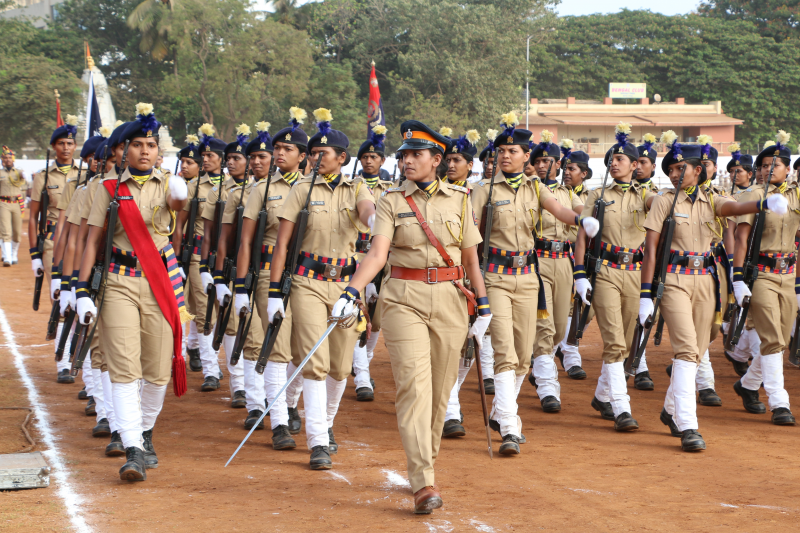
स्थानिक सशस्त्र पोलीस दल
About Us
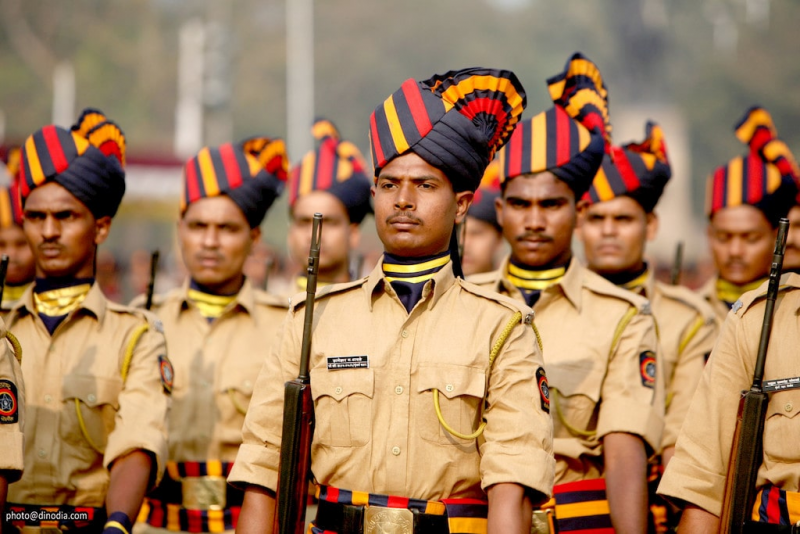
अपर पोलीस आयुक्त हे सशस्त्र पोलीस दलाचे प्रभारी आहेत. अपर पोलीस आयुक्त, सशस्त्र पोलीस यांचे कार्यालय नायगाव, दादर (पूर्व), मुंबई -४०००१४ येथे स्थित आहे.
मुंबई पोलीसचे सशस्त्र पोलीस दलाचे एकूण ५ सशस्त्र पोलीस मुख्यालये खाली नमूद केलेल्या खालील ठिकाणी स्थित आहेत
सशस्त्र पोलीस मुख्यालये |
पत्ता |
| सशस्त्र पोलीस - १ / दं.नि.प. | नायगांव, दादर (पूर्व), मुंबई ४०००१४ |
| सशस्त्र पोलीस - 2 | ताडदेव, मुंबई सेन्ट्रल, मुंबई ४०००१८ |
| सशस्त्र पोलीस - ३ | वरळी पोलीस कॅम्प, वरळी, मुंबई ४०००३० |
| सशस्त्र पोलीस – ४ | मरोळ पोलीस कॅम्प, अंधेरी (पूर्व), मुंबई ४०००५९ |
| सशस्त्र पोलीस - ५ | कोळे कल्याण, कालिना, मुंबई ४०००५५ |
प्रत्येक सशस्त्र पोलीस मुख्यालयाचे नेतृत्व पोलीस उप आयुक्त करतात. पोलीस उप आयुक्तांचे कार्यालय त्यांच्या संबंधित मुख्यालयात आहेत.
प्रशिक्षणे |
कालावधी |
| परिविक्षाधीन पोलीस अधिकारी प्रशिक्षण | एक महिना |
| रिफ्रेशर प्रशिक्षण | पंधरा दिवस |
| रिव्हॉल्वर प्रशिक्षण | एक आठवडा |
| रिव्हीजन प्रशिक्षण | तीन दिवस |
| ऑल वेपन प्रशिक्षण | पंधरा दिवस |
पोलीस शिपाई भरती प्रशिक्षणांसह गॅस शील्ड, ग्रेनेड प्रशिक्षण देखील आयोजित केले जाते.

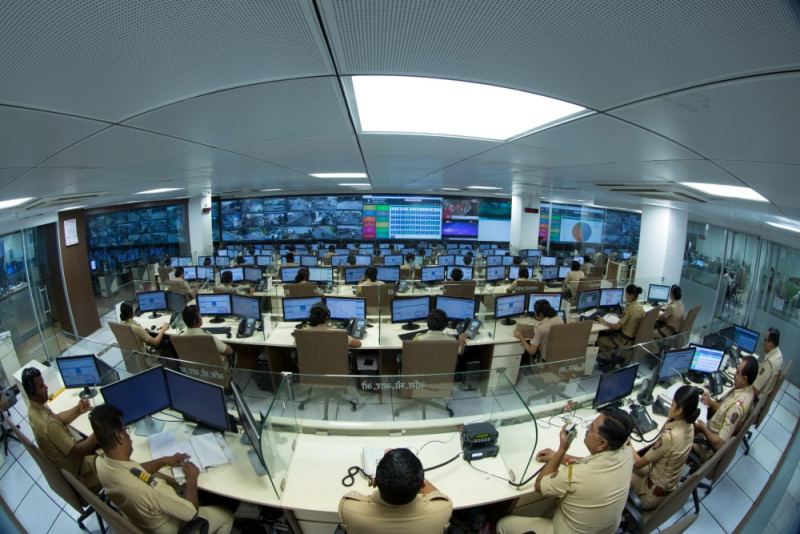
आधुनिक नियंत्रण कक्ष
About Us
• २९ मार्च १७८० रोजी पोलीस लेफ्टनंट कार्यालय विसर्जित करून उपायुक्त, मुंबई यांचे कार्यालयची निर्मिती करण्यात आली.
• त्यानंतर १७९३ मध्ये पोलीस उपायुक्त हे पद रद्द करून पोलीस अधीक्षक हे पद निर्माण केले गेले. श्री. सायमन हॉलिडे हे पहिले पोलीस अधीक्षक होते आणि ते १८०८ पर्यंत पदावर होते.
• १३ ऑक्टोबर, १८५६ रोजी श्री. डब्ल्यू. क्रॉफर्ड हे मुंबई शहर आणि मुंबई बेटाकरिता प्रथम पोलीस आयुक्त म्हणून नियुक्त झाले.
• १८९६ मध्ये आयुक्त कार्यालय हे अंग्लो-गॉथिक पुनरुत्थान इमारतीत हलविण्यात आहे, जे अद्यापपर्यंत वास्तव्यास आहे. मुंबई पोलिस मुख्यालयाची इमारत हि वारसावास्तू म्हणून संरक्षित आहे.
• स्वातंत्र्यानंतर, मुंबई पोलिस दलात अनेक बदल झाले. १५ ऑगस्ट १९५७ रोजी श्री. एस.एस. भरूचा हे मुंबई पोलिसांचे पहिले भारतीय प्रमुख बनले.
• १९६९ चे स्वातंत्र्यदिनी मुंबई पोलीस नियंत्रण कक्ष स्थापन करण्यात आला.
• उपलब्ध नोंदीनुसार, २६ जानेवारी १९५७ रोजी महाराष्ट्रचे मुख्यमंत्री श्री वाय.बी. चव्हाण यांनी अधिकृतपणे नवीन मुंबई शहर पोलीस नियंत्रण कक्ष उघडण्यात आले.
• सन २००५ मध्ये, मुख्य नियंत्रण कक्ष हा संगणकीकृत प्रणालीसह आधुनिकीकरण करण्यात आला आणि आयएसओ ९००१: २००० हे मानांकन प्रमाणकंन २५/१०/२००५ रोजी प्राप्त झाले.
• सन २०१७ मध्ये, मुंबई शहर पर्यवेक्षण प्रकल्पाच्या अंतर्गत मुख्य नियंत्रण ककक्षाचे पुन्हा आधुनिकीकरण करण्यात आले आणि मुंबई शहरातील १५०० पेक्षा अधिक स्थानांवर ४७०० पेक्षा अधिक सर्वात अत्याधुनिक कॅमेरे स्थापित करण्यात आले आहेत.
डायल १०० ( नागरिकांकरिता )
डायल १०३ ( महिला व मुले )
डायल १०९० ( वरिष्ठ नागरिक )
दूरभाष - २२६३३३३३ ( दक्ष नागरिक )
मुंबई शहर सेवा प्रकल्प (सीसीटीव्ही)
७७३८१३३१३३ आणि ७७३८१४४१४४ (एस.एम.एस. सेवा )
संरक्षण व सुरक्षा
About Us
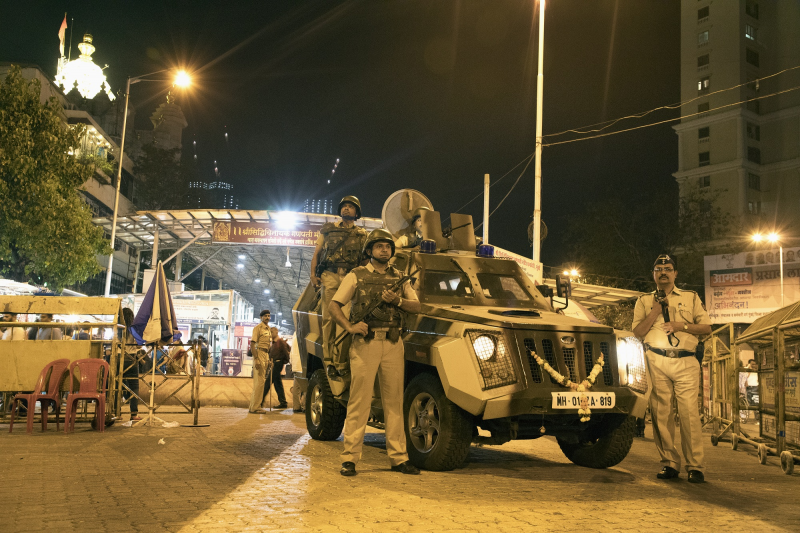
संरक्षण व सुरक्षा विभाग यापुर्वी अप्पर पोलीस आयुक्त, विशेष शाखा, गु.अ.वि., मुंबई यांचे अधिपत्याखाली कार्यरत होता. विद्यमान स्वतंत्र संरक्षण आणि सुरक्षा शाखा १९९९ मध्ये अस्तित्वात आले. महाराष्ट्र शासन निर्णय क्रमांक Home Dept. No. IPS-1798/C.No.433/ Pole No-1, Dated 19/03/1999 अन्वये पोलीस उप आयुक्त (सुरक्षा), विशेष शाखा-१, गु.अ.वि., या पदाची सध्याचे अप्पर पोलीस आयुक्त, संरक्षण व सुरक्षा या पदावर श्रेणीवाढ करून सध्याचा संरक्षण व सुरक्षा विभाग सन १९९९ साली कार्यरत झाला.
संरक्षण व सुरक्षा विभाग प्रशिक्षित कर्मचारी संगठण असून मुंबईस्थित व मुंबई बाहेरील महत्वाच्या व अतिमहत्वाच्या विविध स्तरातील (खाजगी/राजकीय/सामाजिक) संरक्षित व्यक्तींचे (वर्गीकृत/अवर्गीकृत) संरक्षण तसेच महत्वाची/संवेदनशील मर्मस्थळे व आस्थापनांच्या सुरक्षा व्यवस्थेचे काम पहिले जाते.
अप्पर पोलीस आयुक्त, (संरक्षण व सुरक्षा) यांचे अखत्यारीतील पोलीस उप आयुक्त (संरक्षण), पोलीस उप आयुक्त (सुरक्षा), पोलीस उप आयुक्त(मंत्रालय सुरक्षा) या विभागांचे कामकाज चालते. याव्यतिरिक्त पोलीस उप आयुक्त (जलद प्रतिसाद पथक) यांचे अभियान व प्रशिक्षण व सागरी सुरक्षा विभागाच्या कामकाजावर देखरेख अधिकारी म्हणून नेमणूक करण्यात आलेली आहे.
संरक्षण शाखांतंर्गत संरक्षण शाखा १,२ व ४ यांचेकडुन अवर्गीकृत संरक्षित व्यक्तींना लगतचे संरक्षण पुरविले जाते. याव्यतिरिक्त मा. राजपाल यांचे निवासस्थान (राजभवन), मा. मुख्यमंत्री यांचे निवासस्थान (वर्षा बंगला) तसेच मातोश्री बंगला या ठिकाणांची सुरक्षा व्यवस्था पहिली जाते.
मुंबईस्थित महत्वाची मर्मस्थळे, आस्थापना तसेच अतिमहत्वाच्या व्यक्तींच्या मुंबई भेटी दरम्यानच्या ठिकाणांची संरक्षण शाखांतर्गत तांत्रिक शाखा, बी. डी. डी. एस. व श्वानपथक यांचेकडुन घातपात विरोधी तपासणी संयुक्तपणे करण्यात येत असते.
सुरक्षा शाखेकडुन अभिलेखावरील महत्वाची वर्गीकृत/अवर्गीकृत मर्मस्थळे, आस्थापना, स्थळे, मॉल्स/मल्टिप्लेक्स व परदेशी वकालती यांचा सुरक्षा आढावा घेतला जातो. मुंबईस्थित परदेशी वकिलातींचे महावाणिज्य दूत यांना अंगसंरक्षक तसेच आस्थापनांच्या ठिकाणी नेमले जातात.
मंत्रालय मुख्य इमारत, जोड इमारत, नवीन प्रशासकीय इमारत व सह्याद्री गेस्ट हाऊस या आस्थापनांच्या सुरक्षा व्यवस्थेची जबाबदारी पोलीस उप आयुक्त (मंत्रालय सुरक्षा) यांचेकडुन पहिली जाते.
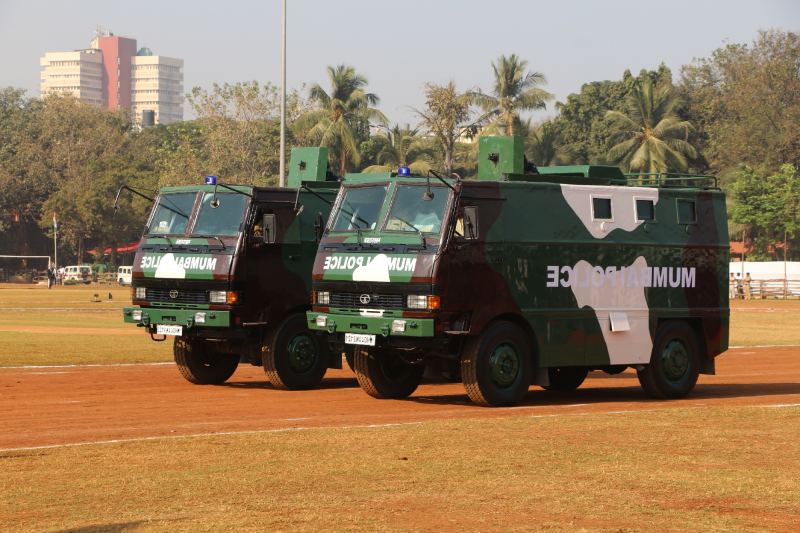
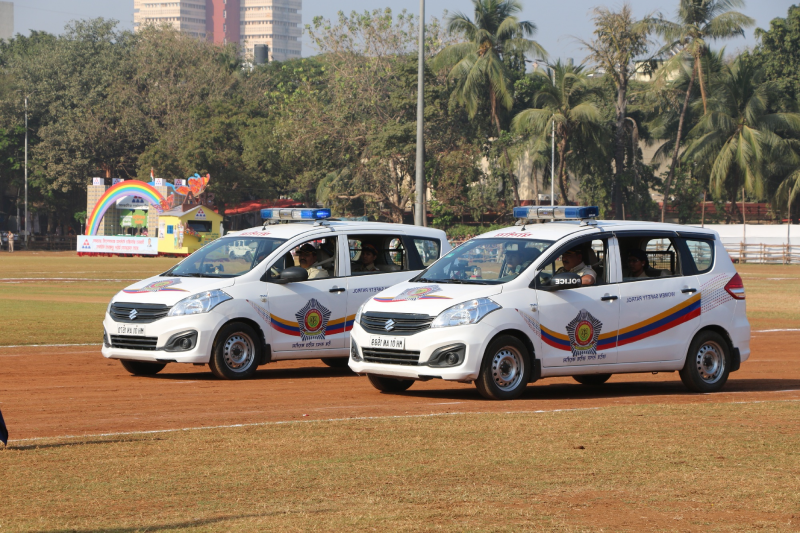
मोटार परिवहन विभाग
About Us
संक्षिप्त इतिहास
१९ डिसेंबर १९३२ रोजी सैन्यातून सेवानिवृत्त झालेल्या चालकांनी चालवलेल्या काही जुन्या वाहनांसह मुंबईत मोटर परिवहन विभाग सुरु करण्यात आला. सन १९४७ नंतर वाहनांची संख्या वाढली आणि १९७२ मध्ये वाहनांची संख्या ४७२ होती.
नागरी सेवा दिनादिवशी 'उल्लेखनीय बचत आणि उल्लेखनीय कामगिरीकरीता' आम्हाला महाराष्ट्राचे माननीय मुख्यमंत्री यांचेकडून सन २०१७ साठीचा 'नागरी सेवा पुरस्कार' मिळाला आहे.
• विभाग प्रमुख अधिकाऱ्याची भूमिका आणि जबाबदारी -
अपर पोलीस आयुक्त (तांत्रिक) हे सध्या विभागाचे मुख्य अधिकारी असून त्यांच्या अंतर्गत ०२ पोलीस उपायुक्त कार्यरत आहेत. त्यांची भूमिका -
१. वाहने आणि नौकाविषयी पोलिस आयुक्तांना तांत्रिक सल्लागार म्हणून कार्य करणे.
२. पोलीस उपायुक्त यांचे कामाचे पर्यवेक्षण करणे.
३. नवीन वाहने खरेदी करणे आणि जुन्या वाहनांने मोडीत काढणे.
४. वाहनाचे किरकोळ भाग, इंधन आणि स्नेहक ( वंगण ) पदार्थ खरेदी करणे.
५. पोलीस ठाणे आणि इतर शाखा / विभागांना बंदोबस्त आणि गस्तकामी वाहने पुरविणे.
६. मुंबईतील अति महत्त्वाचे व्यक्तीचे भेटीदरम्यान पायलट, एस्कॉर्ट आणि इतर वाहने पुरविणे.
७. सर्व वाहने सुस्थितीत ठेवणे.
८. स्पीड बोट्स सुस्थितीत ठेवणे.
९. चालक, तंत्रज्ञ, लॉन्च आणि तांत्रिक कर्मचारी यांची हजेरी आणि कल्याण याकडे लक्ष देणे.
• उल्लेखनीय कामगिरी
खालील गोष्टीची पूर्तता झाल्याने लक्षणीय बचत झाली आहे -
१. फ्युएल ऍव्हरेज मॉनिटरींग ड्राइव्ह, इंधन हाताळणीचे प्रभावी मार्गाचे प्रशिक्षण आणि इओसीएल / एचपीसीएल सवलत प्राप्त करून.
२. अधिकृत पुरवठादाराकडून ई-निविदाद्वारे तेल आणि उत्पादकाकडून थेट एक्सडी-९० बोट तेल खरेदी करणे.
३. बॉयोमीट्रिक उपस्थिति प्रणाली आणि सीसीटीव्ही नियंत्रण रूम स्थापित करून कामाचे अधिक तास कमी करणे.
४. प्रत्येक पोलीस ठाणेस अधिकारीमार्फत भेट देऊन प्रतिबंधात्मक तपासणी करणे.
५. वाहन निर्माण कंपन्यांसह सतत प्रशिक्षण कार्यक्रम आयोजित करणे.
६. माननीय पोलीस महासंचालकद्वारे निविदा काढण्याऐवजी, ३५ कैदी वाहक वाहनांची बांधणी मोटर परिवहन विभागात करून प्रत्येक वाहनामागे सुमारे रुपये २ लाखाची बचत केली.
७. मोटर परिवहन विभागात ३५ मार्क्समन वाहनांची पुनर्रचना करून वाहनांचे आयुष्य 03 वर्षांनी वाढविले.
• मोटार परिवहन विभागाचे आधुनिकीकरण –
१. सुसज्ज प्रशिक्षण, कॉन्फरन्स हॉल.
२. मानवी परिश्रम आणि कामाचे तास वाचविण्याकरिता हवेचा दाबावर चालणारी साधने ( न्यूमॅटिक टूल्स ) आणि दोन उभारणी केंद्र उभारली.
३. बॉयोमीट्रिक उपस्थिति प्रणाली आणि सीसीटीव्ही नियंत्रण रूम.
पोलीस शल्यचिकित्सक
About Us
पोलीस सर्जन विभाग | मुंबई पोलीस आरोग्य व कल्याण व्यवस्था
मुंबई पोलीस दलामध्ये कार्यरत अधिकारी व कर्मचाऱ्यांचे आरोग्य, तंदुरुस्ती आणि मानसिक सक्षमता हे आमचे सर्वोच्च प्राधान्य आहे.
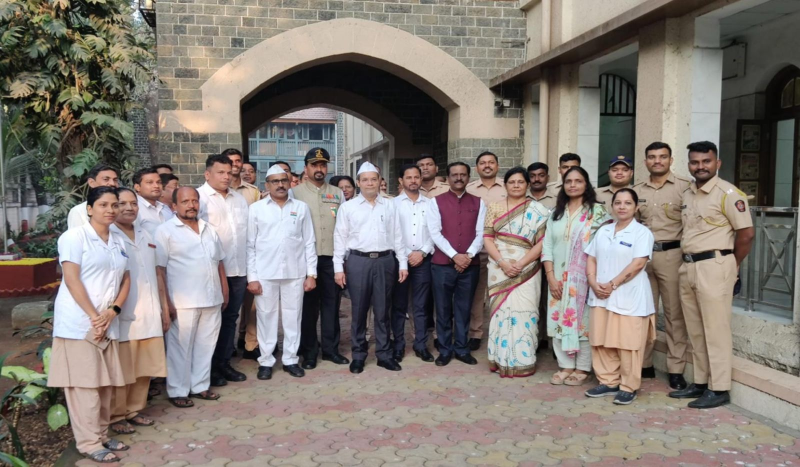
सुदृढ पोलीस दल म्हणजे सुरक्षित शहर — या ध्येयाने प्रेरित होऊन, पोलीस सर्जन, मुंबई पोलीस यांच्या नेतृत्वाखाली एक सक्षम व समर्पित आरोग्य सेवा प्रणाली कार्यरत आहे. हा विभाग पोलीस रुग्णालये, पोलीस दवाखाने, शवविच्छेदन केंद्रे व मोबाईल वैद्यकीय सेवा यांचे नियोजन व पर्यवेक्षण करून पोलीस अधिकारी, कर्मचारी व त्यांच्या कुटुंबियांना सर्वसमावेशक आरोग्य सुविधा पुरवतो.
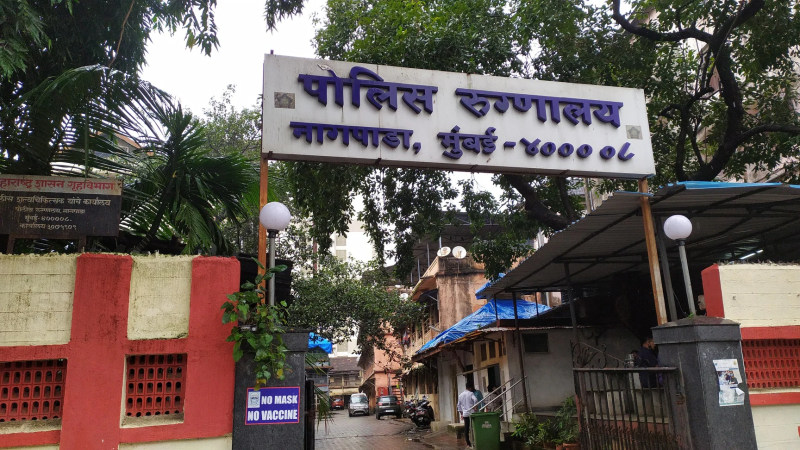
पोलीस रुग्णालय, नागपाडा – सेवाभावाची गौरवशाली परंपरा
सन १८६७ मध्ये स्थापन झालेले हे रुग्णालय मुंबई पोलीस दलासाठी समर्पित असलेल्या सर्वात जुन्या आरोग्य संस्थांपैकी एक आहे. सध्याची इमारत सन १९४० मध्ये उभारण्यात आली असून आजही हे रुग्णालय व्यापक व दर्जेदार आरोग्य सेवा प्रदान करत आहे.
लाभार्थी
- पोलीस अधिकारी
- पोलीस कर्मचारी
- महिला पोलीस
- त्यांच्या कुटुंबीय
मुख्य वैशिष्ट्ये
- ११४ खाटांची अंतर्गत रुग्ण व्यवस्था
- ०५ वैद्यकीय प्रयोगशाळा
- १३३ कर्मचारी
- सुमारे ९८ मानद तज्ज्ञ डॉक्टर
उपलब्ध वैद्यकीय सुविधा व सेवा
मूलभूत आरोग्य सेवा
- बाह्यरुग्ण विभाग (OPD)
- आपत्कालीन कक्ष
- ऑपरेशन थिएटर
- औषध वितरण केंद्र
- फिजिओथेरपी विभाग
- पॅथॉलॉजी प्रयोगशाळा
- रेडिओलॉजी विभाग
- दंतचिकित्सा
- नेत्रचिकित्सा
- रुग्णवाहिका सेवा
मानद तज्ज्ञ सेवा
- अस्थिरोग
- स्त्रीरोग व प्रसूतीशास्त्र
- ENT
- शस्त्रक्रिया
- मानसोपचार
- न्यूरोलॉजी
- हृदयरोग
- कर्करोग
- दंतचिकित्सा
- होमिओपॅथी
निदान चाचण्या
- एक्स-रे
- ईसीजी
- २डी-इको
- अल्ट्रासोनोग्राफी
- स्ट्रेस टेस्ट
विशेष क्लिनिक्स
- गर्भवती माता तपासणी
- कर्करोग तपासणी
- श्रवण चाचणी
- ART व VCTC केंद्र
- अल्कोहोलिक्स सहाय्यता
आपत्कालीन सेवा
- आपत्कालीन कक्ष
- STEMI कार्यक्रम
- रुग्णवाहिका सेवा
समुदाय आरोग्य उपक्रम
- आरोग्य शिबिरे
- जनजागृती मोहिमा
- पोषण मार्गदर्शन
- ताण-तणाव व्यवस्थापन
- समुपदेशन सेवा
प्रशिक्षण
- CPR प्रशिक्षण
- अग्निसुरक्षा प्रशिक्षण
- वैद्यकीय प्रशिक्षण (CME)
पत्ता
पोलीस रुग्णालय, नागपाडा
सोफिया झुबेर रोड,
नागपाडा, मुंबई – ४००००८
संदेश
“सुरक्षित शहराचा आधार — सुदृढ पोलीस दल”
मुंबई पोलीस केवळ नागरिकांच्या सुरक्षेसाठीच नव्हे, तर आपल्या कर्मचाऱ्यांच्या आरोग्य व कल्याणासाठीही कटिबद्ध आहे.
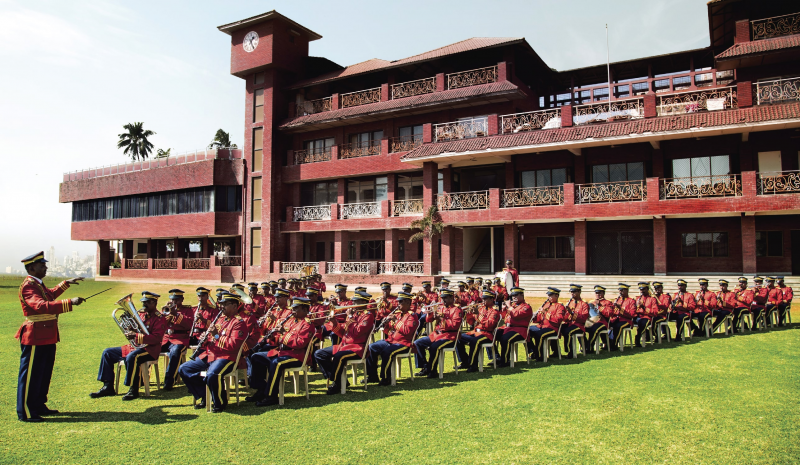
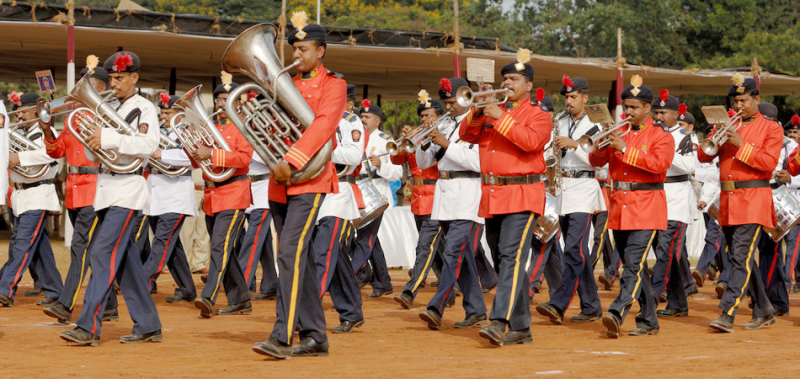
बृहन्मुंबई पोलीस वाद्यवृंद पथक
About Us
जगातील संपुर्ण ब्रिटिश साम्राज्यामध्ये सन १९३५ हे वर्ष ′रजत जयंती वर्ष′ म्हणुन साजरे करण्यात आले. भारतामध्येही या निमित्ताने ठिकठिकाणी विविध कार्यक्रमाचे आयोजन करण्यात आले होते.
या रजत जयंती वर्षाच्या निमित्ताने नायगांव पोलीस कवायत मैदानावर ३ डिसेंबर १९३५ रोजी एका शानदार संचालनाचे आयोजन करून नेहमीच्या प्रथेप्रमाणे सर्व प्रतिष्ठितांना आणि जनतेला निमंत्रित करण्यात आले होते. गव्हर्नर लॉर्ड ब्रेबॉर्न यांनी मानवंदना स्वीकारली. मुंबई पोलीसांच्या उत्कृष्ठ संचालनाने सर्वांची मने जिंकली असली तरी एक बाब मात्र प्रतिष्ठितांना खटकत होती, ती म्हणजे या संचालनासाठी मुंबई पोलीसांचे स्वतःचे वाद्यवृंद अस्तित्वात नव्हते.
नायगांव पोलीस मुख्यालयाची शास्त्रोक्त पद्धतीने म्हणजेच अभियांत्रिकी दृष्टीने केलेली रचना आदर्शवत समजले जाणारे मैदान, आकर्षक असणारे पोलीस संचालन इत्यादी सर्व बाबी उत्कृष्ठ असल्या तरी, जोपर्यंत या पोलीस दलाकडे वाद्यवृंद (बँड पथक) उपलब्ध होत नाही, तोपर्यंत परेडचे परिपुर्णता झाल्याचे समाधान नाही; असा एक विचार तेथील उपस्थित प्रतिष्ठित मान्यवरांकडे चर्चेला आला. सरकारच्या काटकसरी आर्थिक धोरणामुळे पोलीस वाद्यवृंदावर एव्हढा खर्च करणे, सध्यातरी शक्य नव्हते. या विचारातून उत्स्फूर्तपणे प्रतिष्ठित दानशूर व्यक्ती पुढे सरसावल्या आणि पुढील डिसेंबर मध्ये होणाऱ्या वार्षिक पोलीस कवायतीच्या वेळी पोलीसांना वाद्यवृंद साहित्य उपलब्ध करून देण्याचा संकल्प केला गेला. प्रतिष्ठित आणि व्यावसायिक दानशुरांप्रमाणेच सर्व सामान्य नागरिकांनी देखील त्यांच्या ऐपतीप्रमाणे पै-पैसा गोळा करून एक बऱ्यापैकी निधी जमा झाला. त्यातून ब्रास बँडचे वाद्य व साहित्य खरेदी करण्यात आले. अशा प्रकारे १९३६ च्या सुरवातीच्या मुंबई शहर पोलीस दलाला प्रथमच ब्रास बॅण्ड पथक उपलब्ध झाला.
भारताचे नवनिर्वाचित व्हाइसरॉय लॉर्ड लिनलियागो यांच्या हिंदुस्थानातील मुंबई येथील प्रथमच आगमनाच्या निमित्ताने त्यांच्या स्वागताप्रीत्यर्थ १७ एप्रिल १९३६ रोजी गेट वे ऑफ इंडिया येथे एक पारंपरिक समारंभाचे एक विशेष आयोजन करण्यात आले होते. या निमित्ताने झालेल्या शानदार संचालनामध्येमिलिटरी वाद्यवृंदासोबत मुंबई पोलीसांच्या वाद्यवृदाचे शानदारपणे पदार्पण करण्यात आले. या मुंबई पोलीस वाद्यवृंदाचे प्रमुख बॅण्डमास्टर सी.आर.गार्डनर यांनी मिळालेल्या संधीचे सोने करून आपल्या पदार्पणातच उपस्थितांची मने जिंकली.

अखेर तो दिवस उगवला. १९३६ च्या डिसेंबरमध्ये विशेष पोलीस संचालनात पोलीसांच्या वाद्यवृंदाने स्वतंत्रपणे वाद्य वाजवावीत, असे प्रतिष्ठित मंडळीने ठरविले होते. लॉर्ड ब्रेबॉर्न या हरहुन्नरी आणि खिलाडू वृत्तीच्या गव्हर्नर साहेबांनी अखेर मान्यता दिल्यानंतर १८ डिसेंबर १९३६ रोजी नायगांव मैदानावर पार पडलेल्या विशेष वार्षिक पोलीस संचालनामध्ये पोलीस वाद्यवृंदाने प्रथमच स्वतंत्रपणे वाद्य वाजवुन आपले वाद्य कौशल्य मुंबईकर जनतेसमोर सादर करून शाबासकीची थाप पाठीवर मारून घेतली. याच वेळी झालेल्या विशेष समारंभामध्ये गव्हर्नरलॉर्ड ब्रेबॉर्न यांच्या हस्ते वाद्यवृन्दासाठी देणगी देणाऱ्या दानशूर दातृत्वांचा खास सत्कार करण्यात आला. त्यांनी ब्रॅन्ड प्रमुख गार्डनर आणि त्यांच्या सहकाऱ्याचेही तोंडभरून कौतुक केले. तत्कालिन जनताभिमुख पोलीस कमिशनर बॅरिस्टर डब्ल्यू.आर.जी.स्मिथ यांच्या विशेष प्रयत्नामुळेच ही पोलीस वाद्यवृंद पोलीस निर्मिती झाली. त्यामुळे त्यांनाही सर्वांनी धन्यवाद दिली. अशा प्रकारे बृहन्मुंबई पोलीस दलाला वाद्यवृंद पथक उपलब्ध झाले. म्हणुन १८ डिसेंबर हा दिवस मुंबई पोलीस दलामध्ये वाद्यवृंद दिवस म्हणुन साजरा केला जातो.
| अ. क्र. | बॅण्डमास्टरचे नाव | वर्ष |
| 1 | सी.आर.गार्डनर | १९३६-१९४८ |
| 2 | कॅर्वल्लो | १९४९-१९५३ |
| 3 | ब्रिटे | १९५४-१९५७ |
| 4 | फ्रँको | १९५८-१९६७ |
| 5 | विजय शिंदे | १९६८-१९७४ |
| 6 | मेहबूब खान | १९७५-१९८१ |
| 7 | सामुईल मोहिते | १९८२-१९८४ |
| 8 | जेरोमी रॉड्रीगुएस | १९८५-२००२ |
| 9 | रफिक रझ्झाक शेख | २००३-२००५ |
| 10 | सौदन भवानी सिंग | २००६-२०१८ |
| 11 | दत्तात्रय लक्ष्मण नाईकधुरे | २०१८-२०१८ |
| 12 | संजय बाबाजी कल्याणी, ए.एल.सी.एम. (लंडन) | २०१८-ते आता पर्यंत |